Six countries · 36 landscapes · Independent
The world,
one landscape
at a time.
A field guide to the places worth crossing an ocean for — with the season, the light and the honest logistics that guidebooks leave out. Choose a country, and start planning.
Each country page collects every landscape we've written up, with a full planning panel for each one.
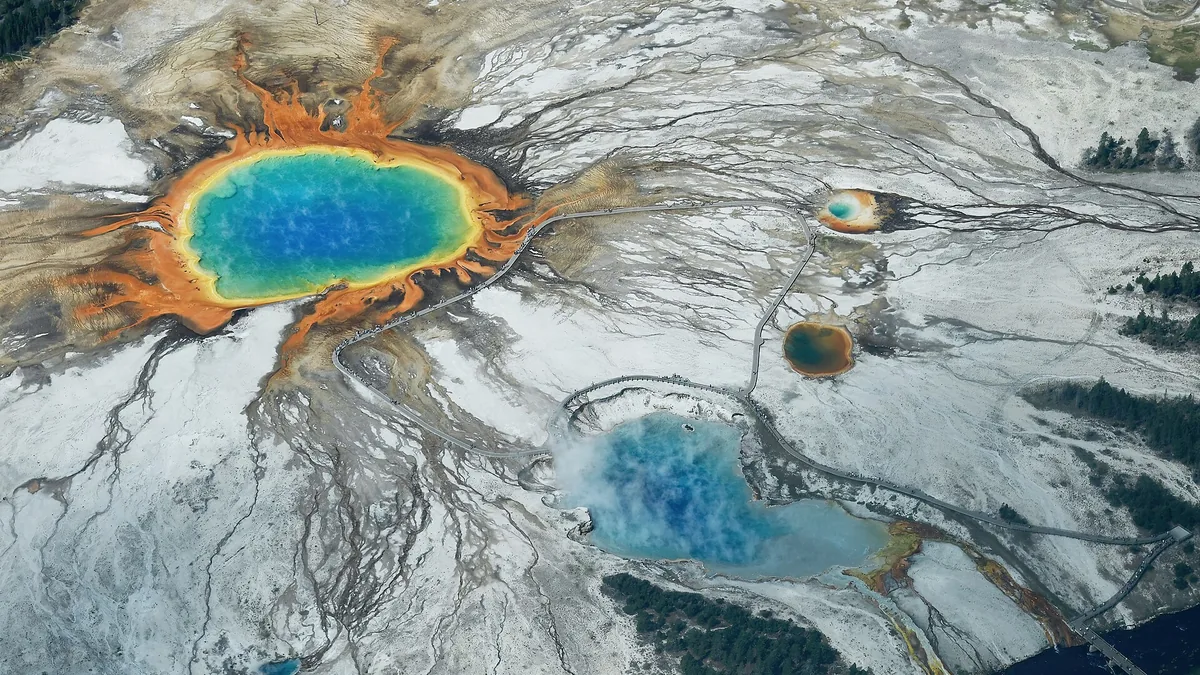
Grand Prismatic Spring, Yellowstone · Photo: Carsten Steger / CC BY-SA 4.0
Start here
Six countries, chosen for the scenery
Not a list of every country on Earth — just six we know well, with six landscapes each, written up in detail.
 6 places
United States
Continental scale, from desert mesas to rainforest coastlines
 6 places
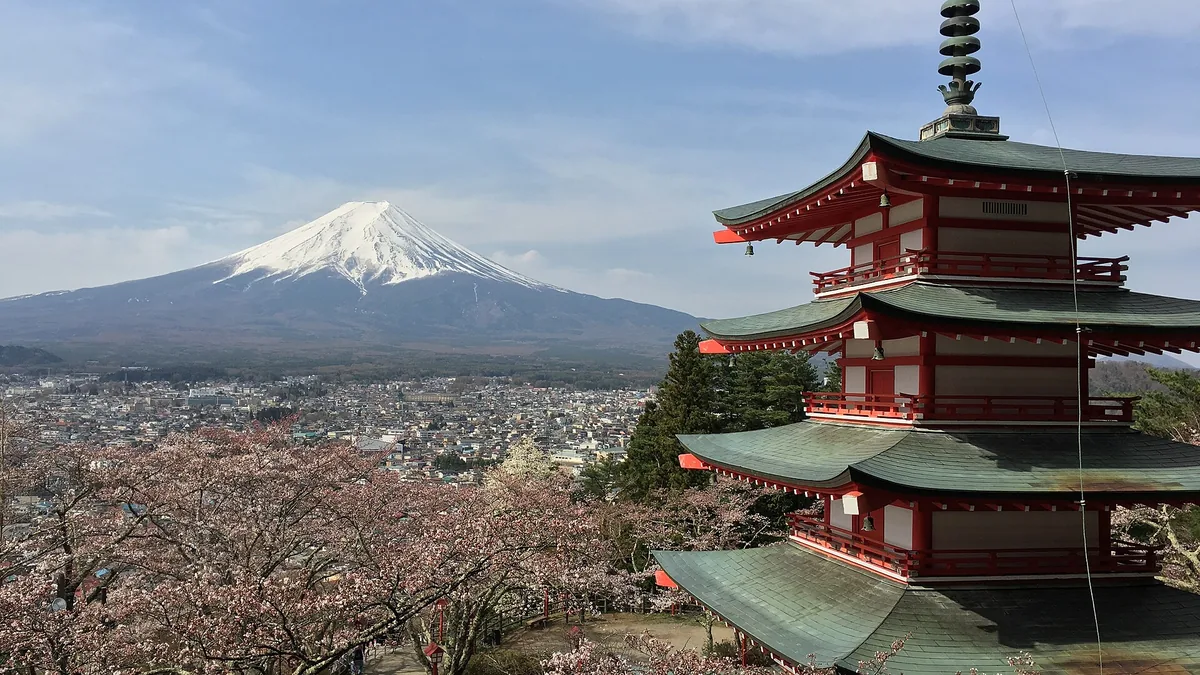
Japan
Ritual, precision and a mountain that keeps its distance
 6 places
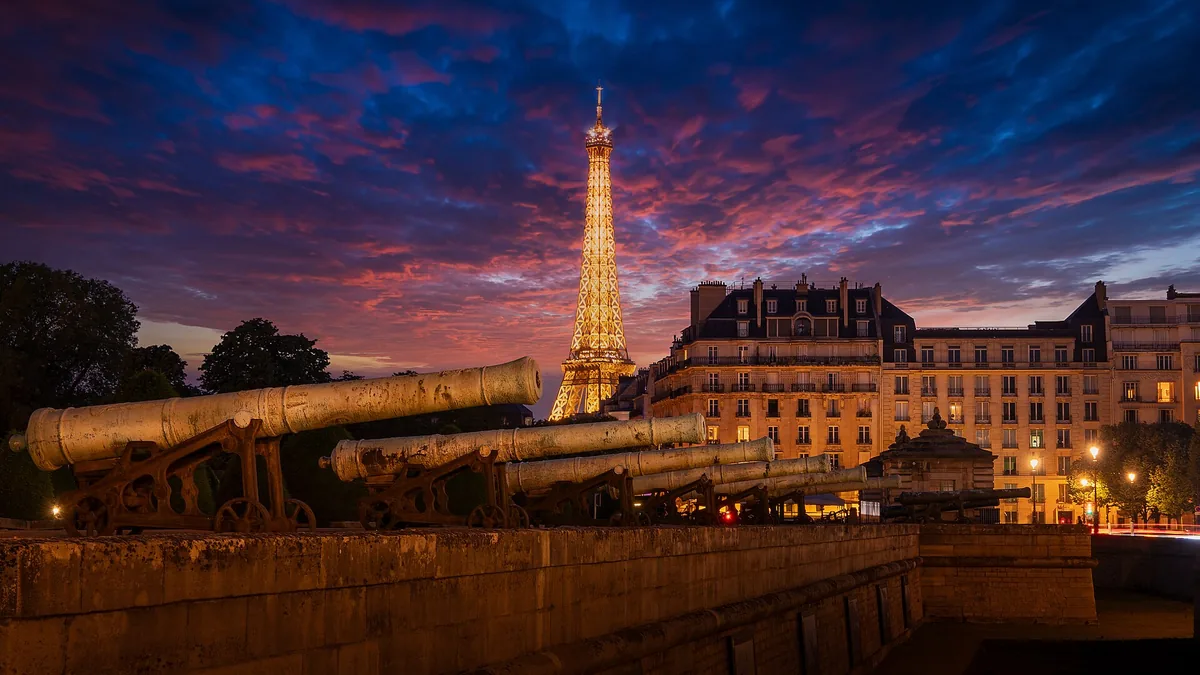
France
Cathedrals of stone, fields of lavender, a sky above the Alps
 6 places
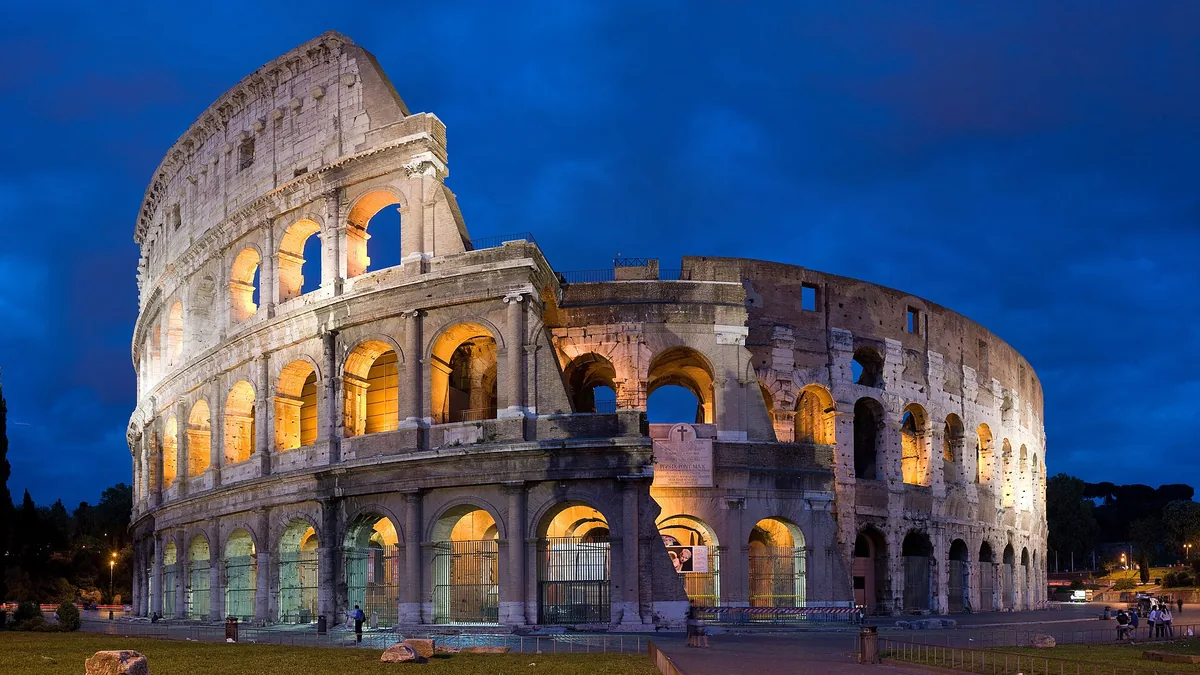
Italy
Millennia of cities stacked above coastlines of impossible colour
 6 places
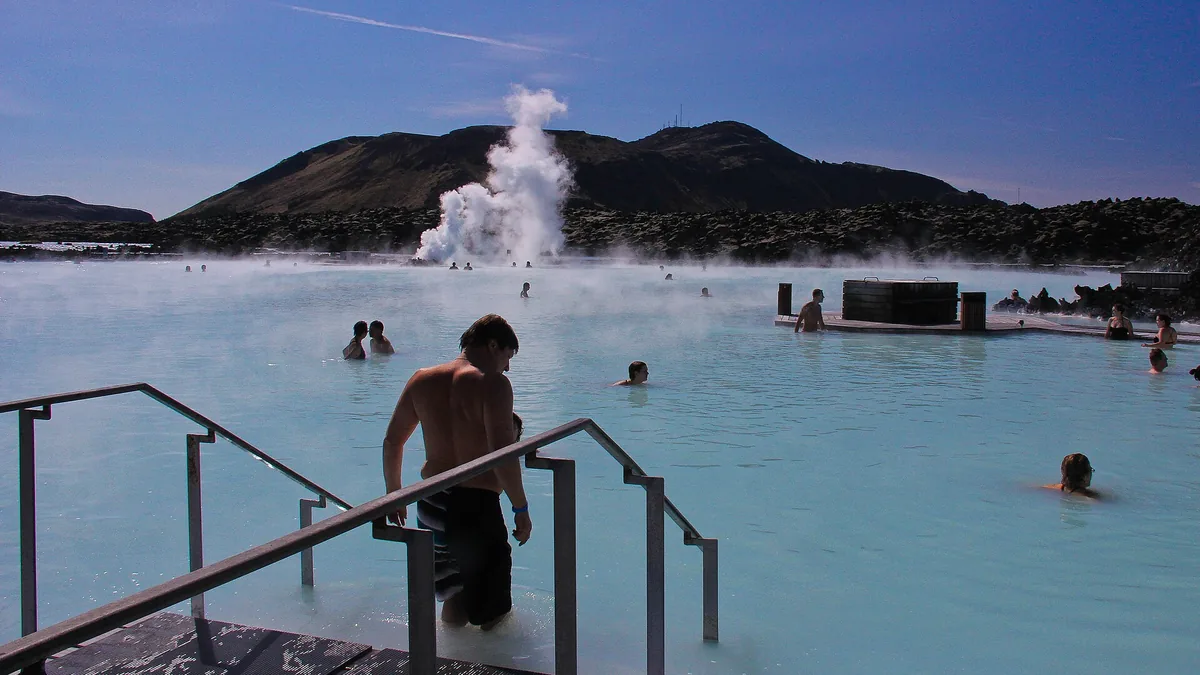
Iceland
A young island still writing its own geology in real time
 6 places
New Zealand
Two islands of fjords, volcanoes and uncrowded trail
Editor's picks
If you only have one trip left
The three landscapes we would go back to first, and why.
United States
Yellowstone
Nowhere else on Earth lets you stand this close to the planet's internal engine while bison graze ten metres away.
Japan
Mount Fuji
It is the rare icon that is both a geological fact and a cultural one, and it rewards the traveller who looks at it as much as the one who climbs it.
 France
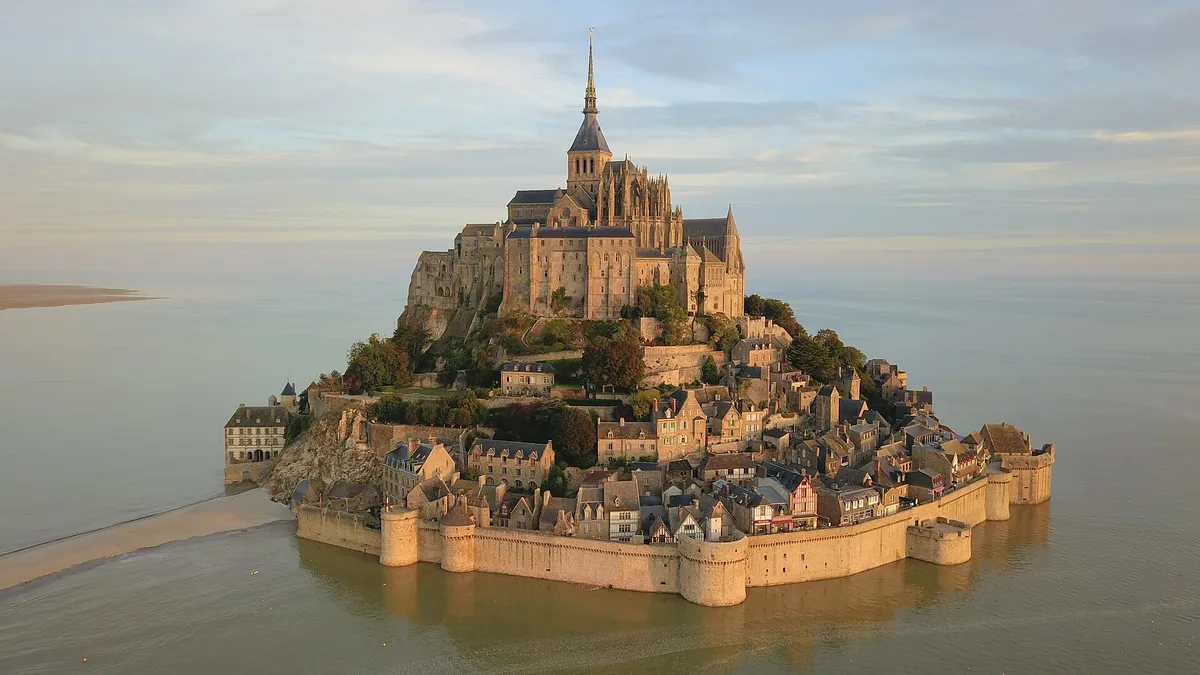
Mont Saint-Michel
It is the only place in Europe where the sea enforces the visiting hours, and the architecture is built to survive it.
The full atlas
Every landscape in the guide
36 guides, each with a proper description, three highlights and the planning facts that matter.
United States
Yellowstone
A volcanic plateau the size of a small country, sitting on top of a magma reservoir that has shaped every geyser, terrace and river you walk past.
 United States
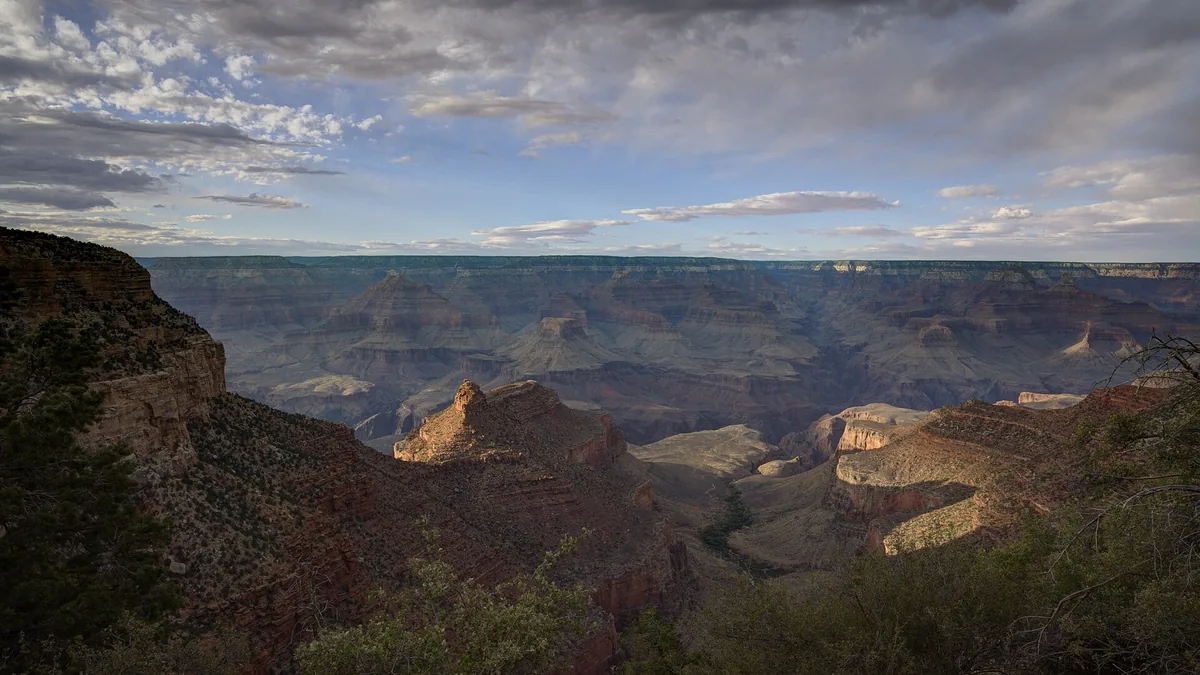
Grand Canyon
The most famous hole in the world, and still the most overwhelming: a gorge so long and deep that your eyes take a full minute to adjust to its scale.
 United States
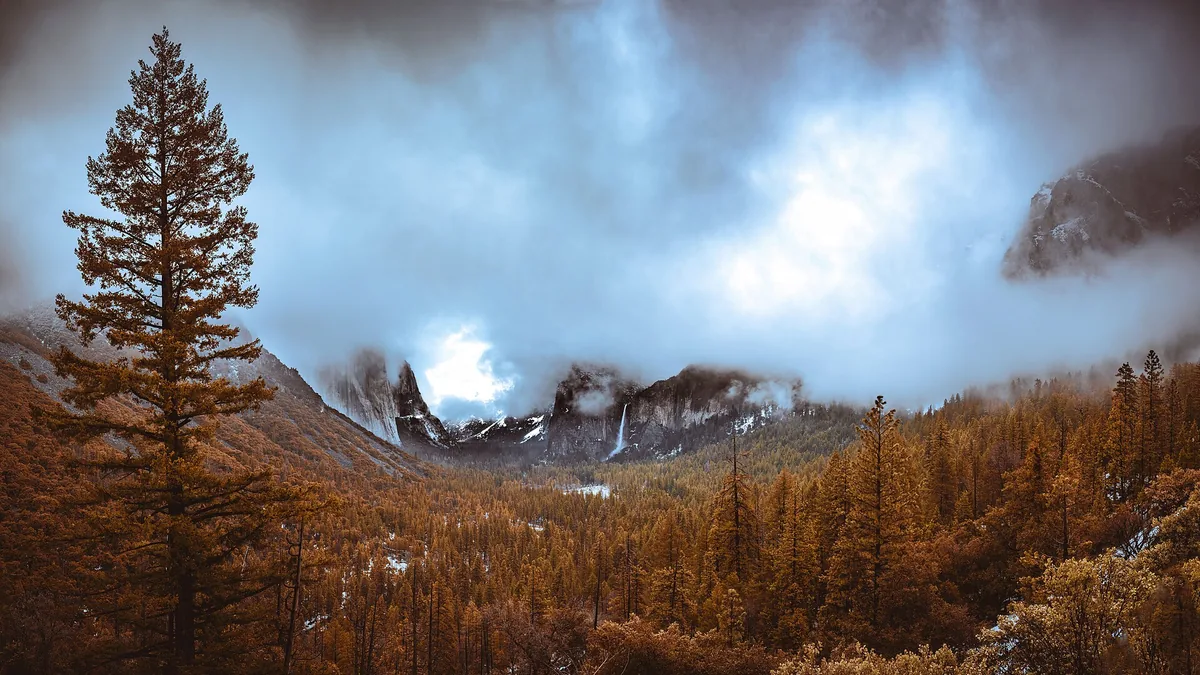
Yosemite
Seven square miles of valley floor surrounded by walls so sheer that the first climbers had to invent new ways to get up them.
 United States
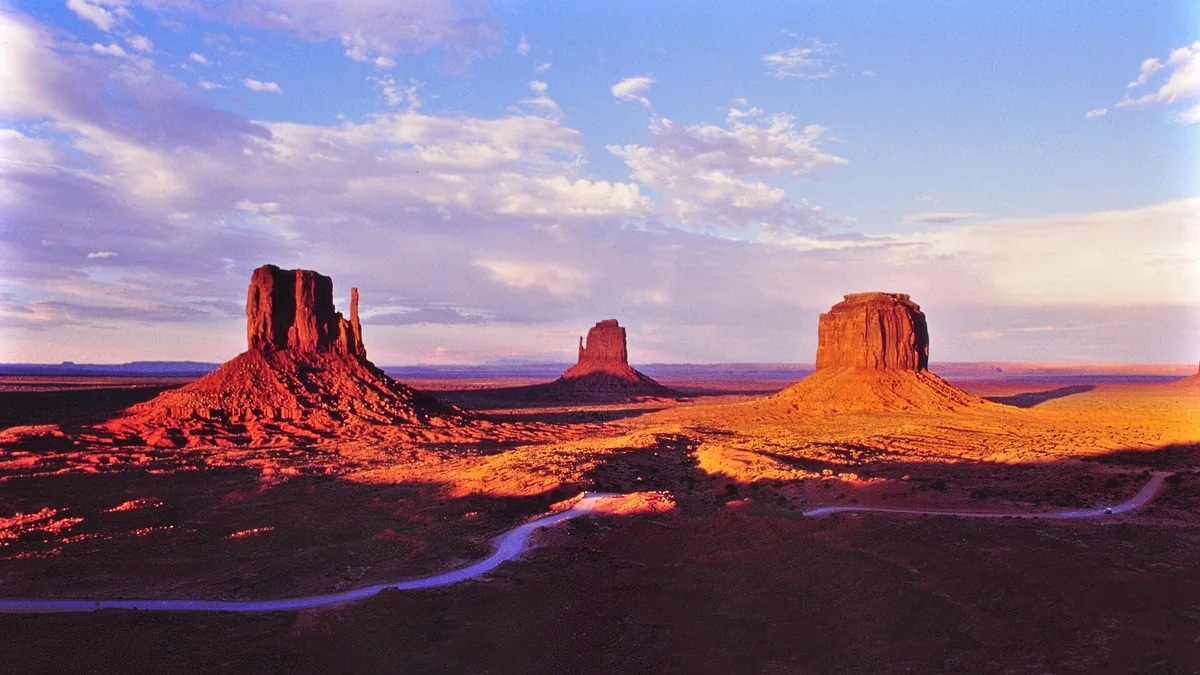
Monument Valley
A desert plateau where red sandstone towers rise 300 metres straight out of the ground, forming the landscape that defined the American Western in the popular imagination.
 United States
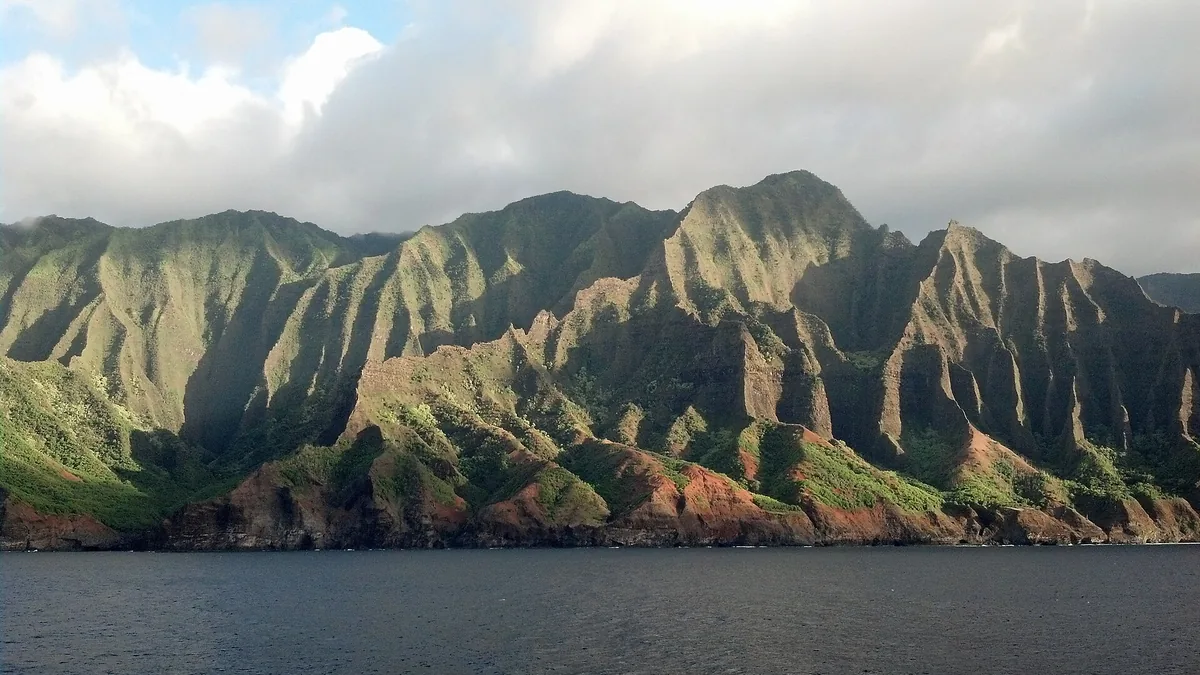
Na Pali Coast
Green fluted cliffs drop 1,200 metres into the Pacific on the north-west shore of Kauai, and the only ways in are a boat, a helicopter, or the Kalalau Trail.
 United States
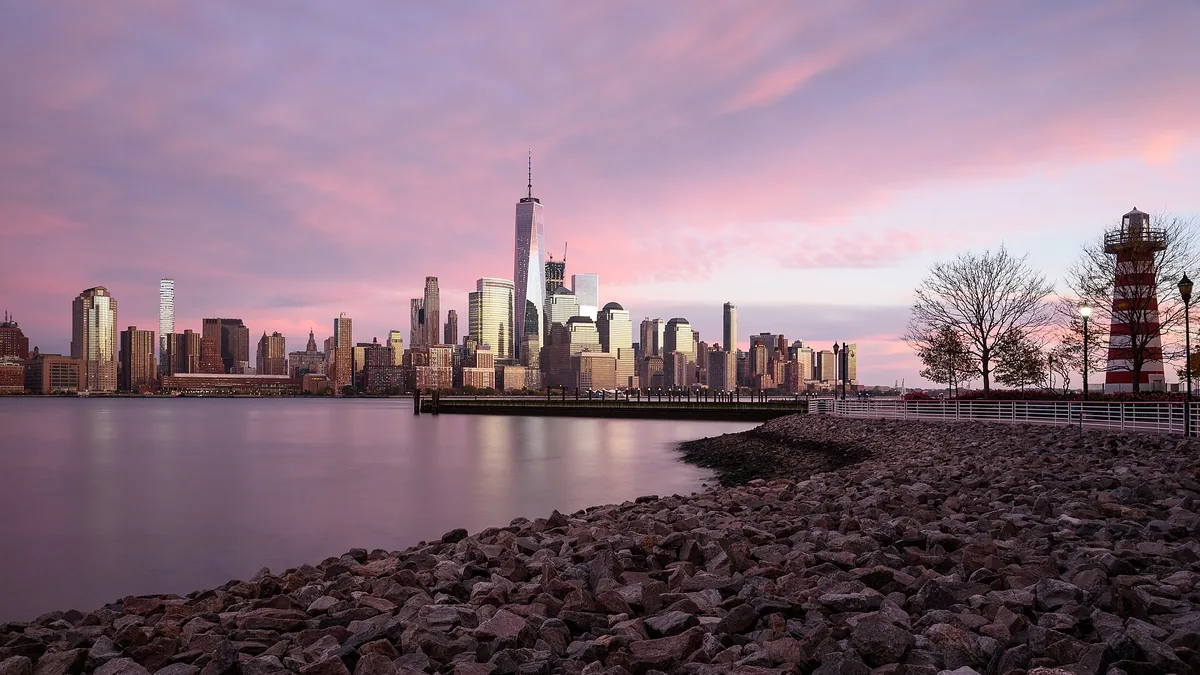
New York City
A city of five boroughs, 8.3 million residents and more than 500 kilometres of subway track, where the scenery changes block by block.
Japan
Mount Fuji
At 3,776 metres, Fuji is Japan's highest mountain, a stratovolcano visible from Tokyo on clear winter mornings and from half the postcards ever printed in the country.
 Japan
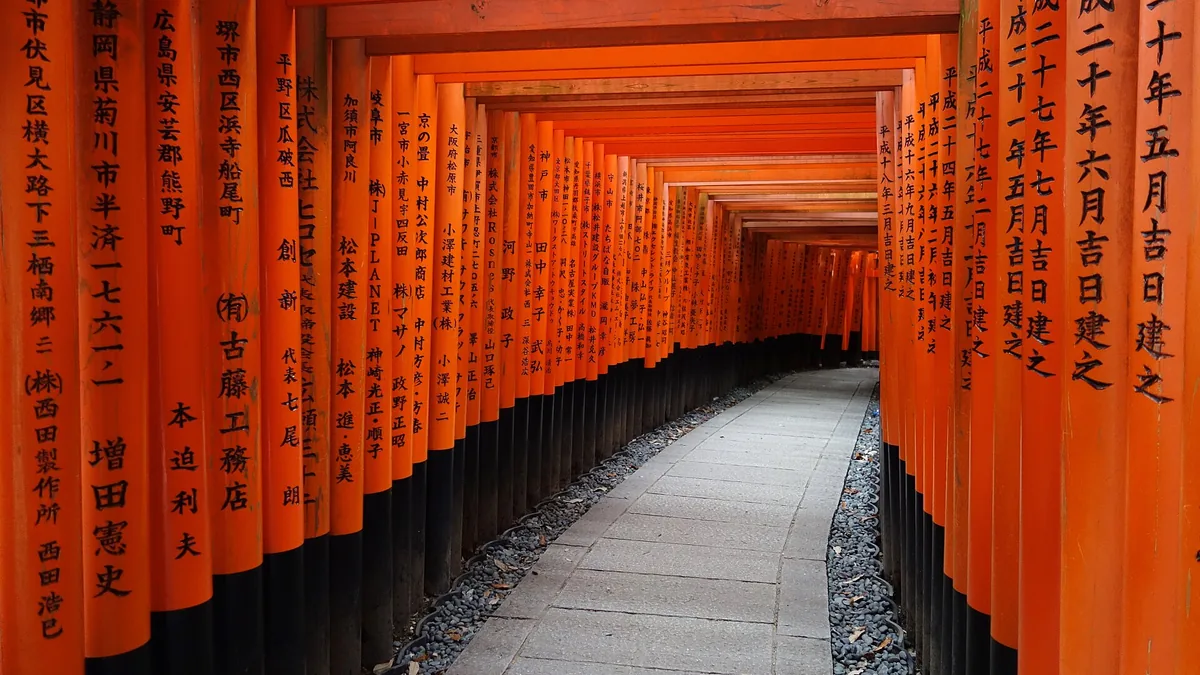
Kyoto
Japan's imperial capital from 794 to 1868, and still the country's most concentrated collection of gardens, temples, tea houses and craft workshops.
 Japan
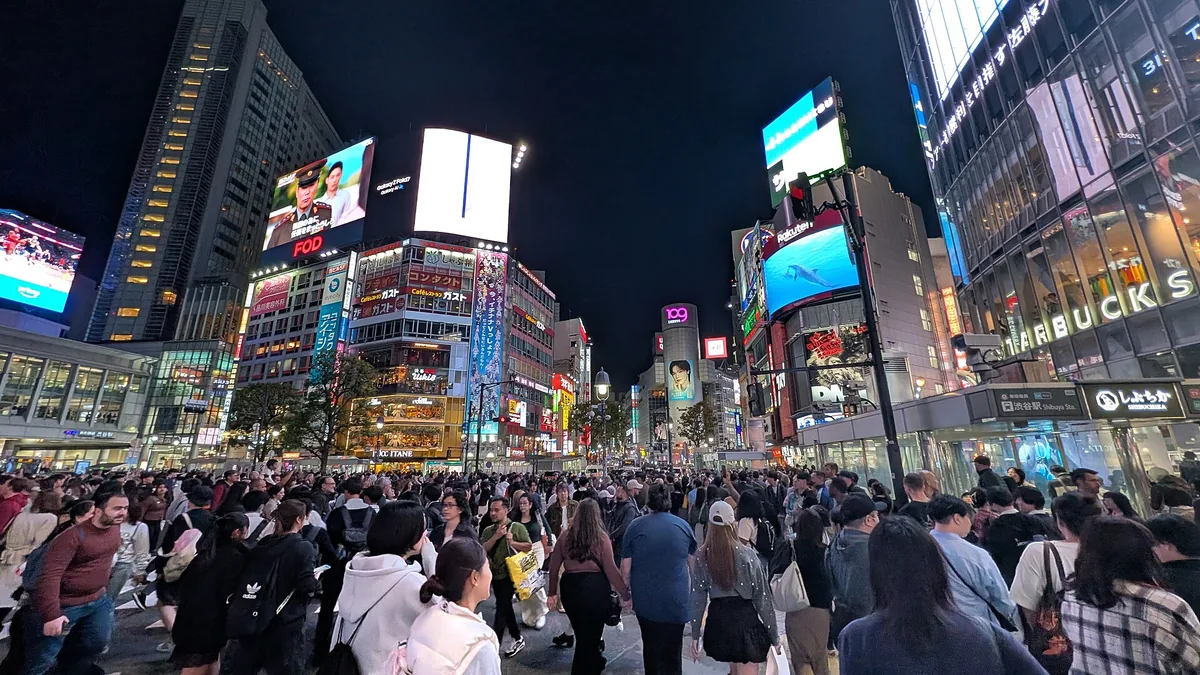
Tokyo
Thirty-seven million people in the greater metropolitan area, and yet Tokyo works as a collection of walkable neighbourhoods, each with its own high street, shrine and rhythm.
 Japan
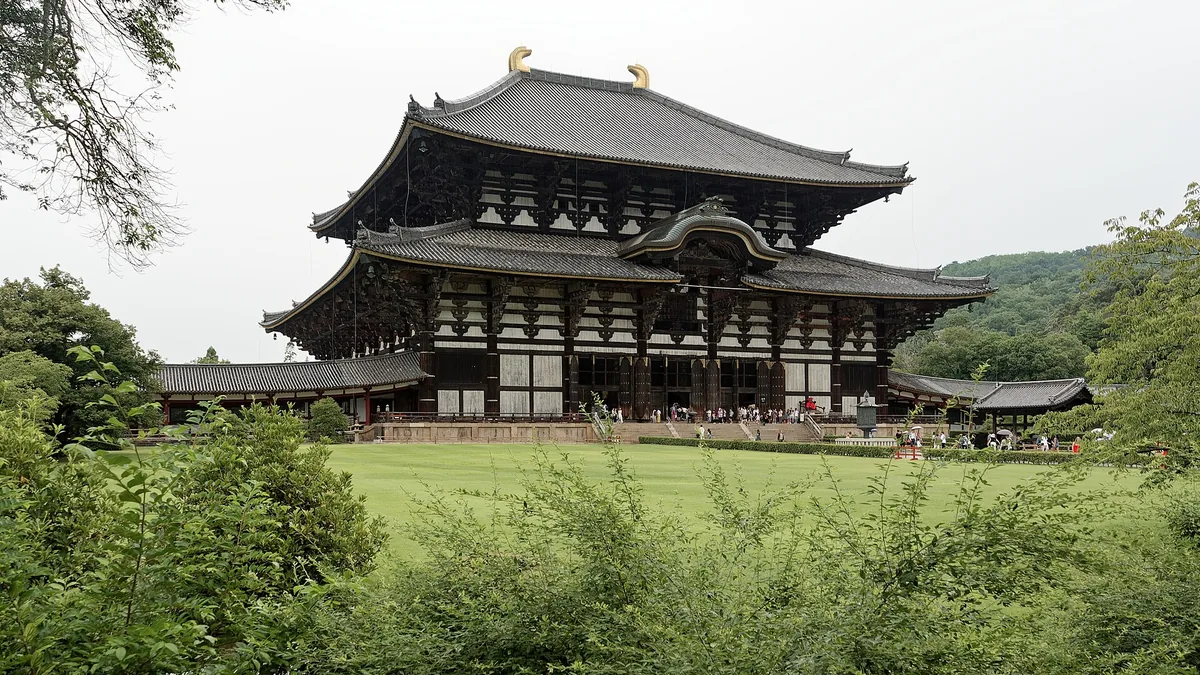
Nara
The capital before Kyoto, with a park full of free-roaming sika deer and Todai-ji, the largest wooden building in the world for most of its history.
 Japan
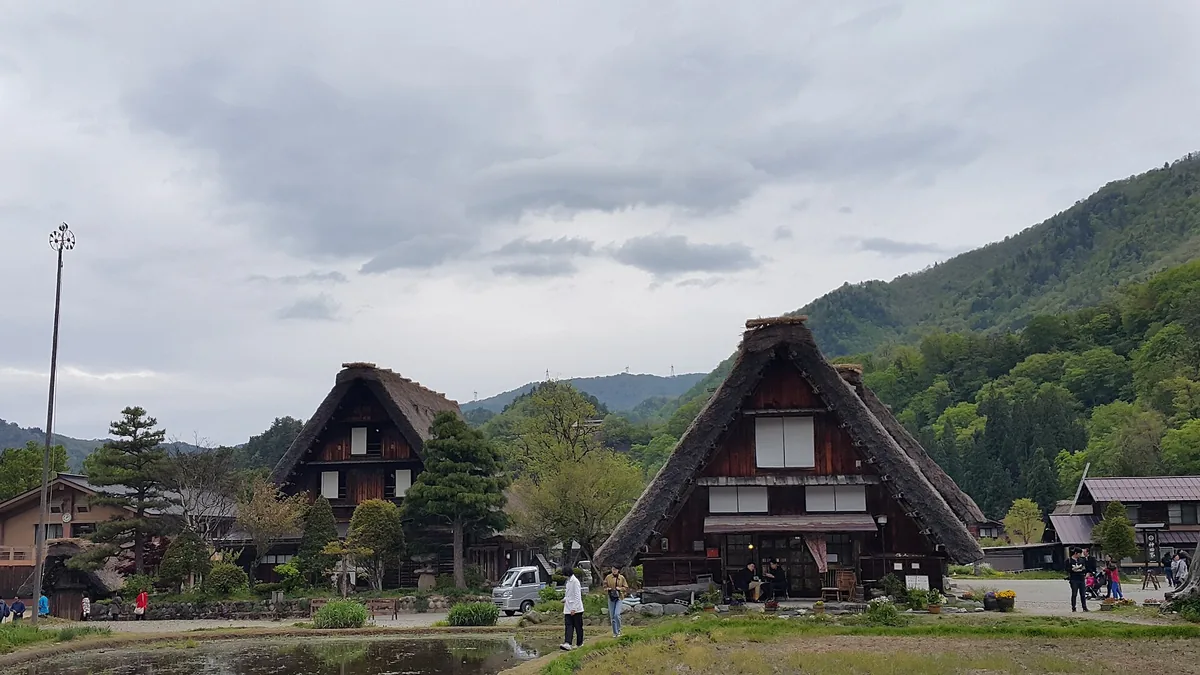
Shirakawa-go
A UNESCO-listed village of gassho-zukuri farmhouses, their steep thatched roofs designed to carry the heavy snow of the Japanese Alps.
 Japan
Itsukushima
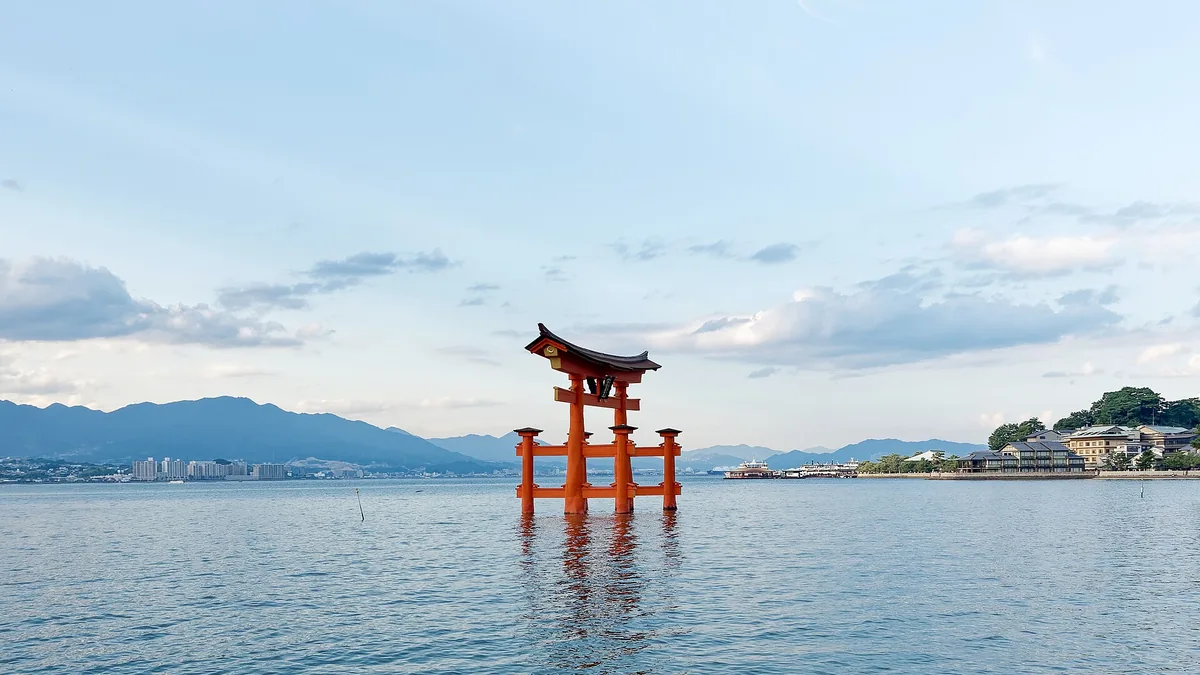
Miyajima island's Itsukushima Shrine, with its vermilion torii standing in the shallows, is one of the three classic views of Japan.
France
Eiffel Tower
Built for the 1889 Exposition Universelle and meant to stand for twenty years, the Eiffel Tower is now the most visited paid monument in the world.
France
Mont Saint-Michel
A Benedictine abbey built on a granite outcrop in a bay with one of the largest tidal ranges in Europe, connected to the mainland by a causeway that disappears under water.
 France
French Riviera
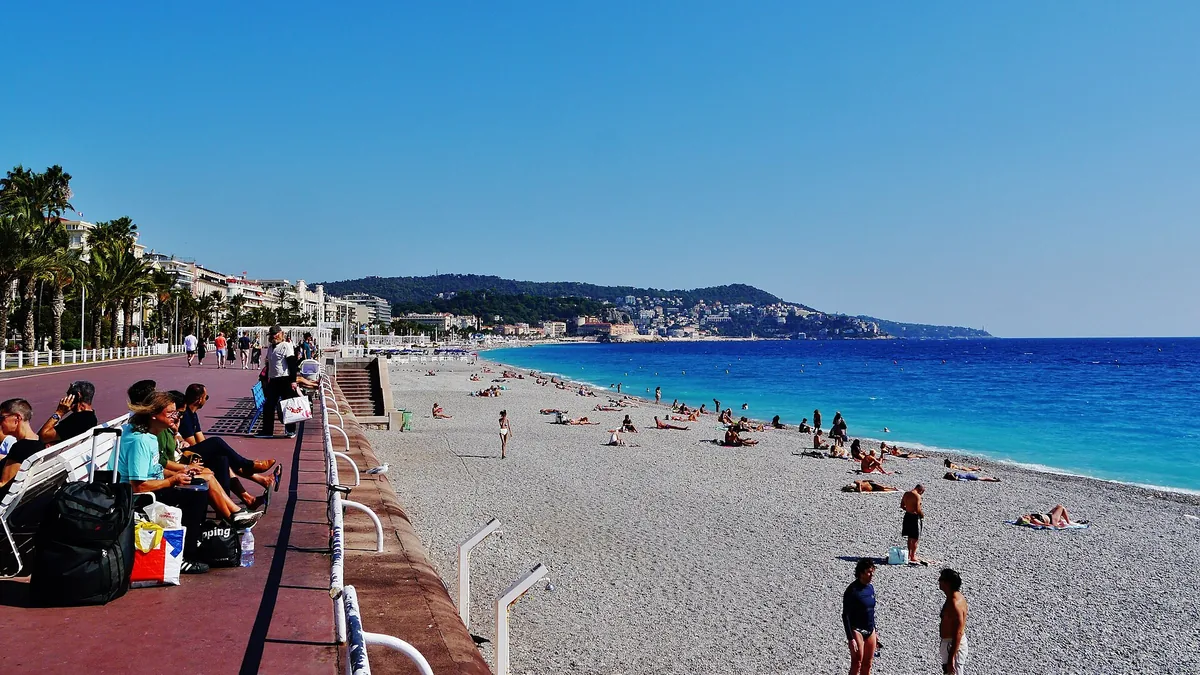
From Marseille to Menton, the Cote d'Azur is a 200-kilometre stretch of limestone cliffs, sheltered bays and towns built into the hillside.
 France
Provence
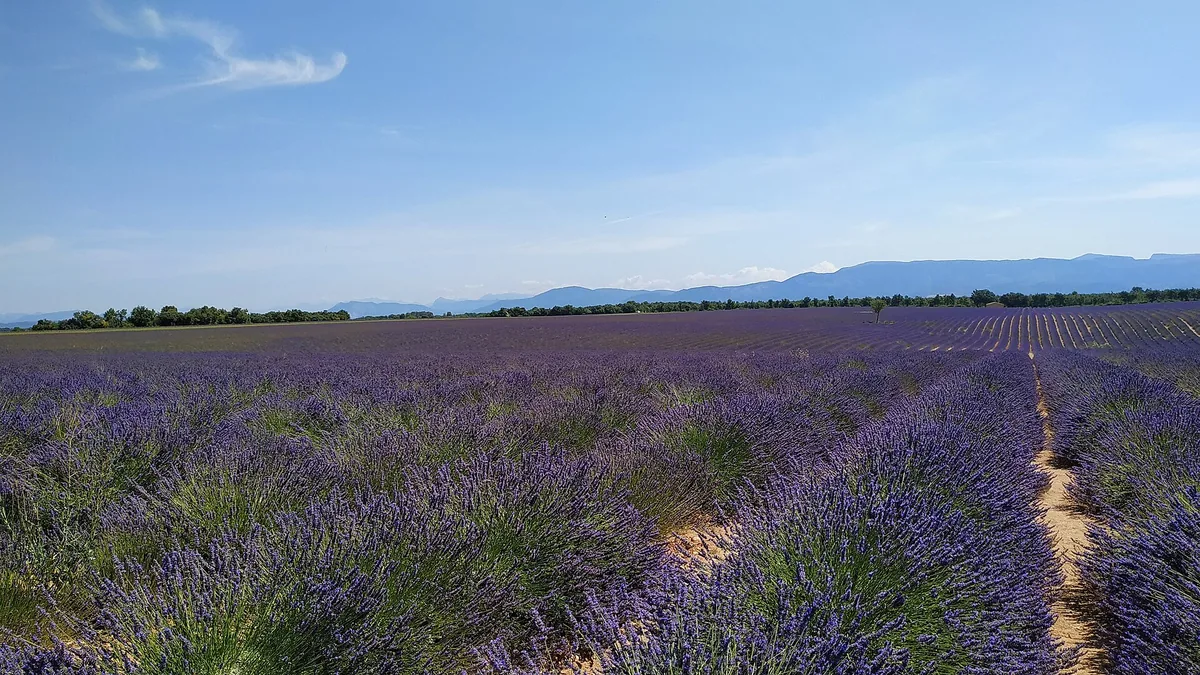
The plateau of Valensole and the Luberon hills turn purple in late June and July, when the lavender harvest creates one of Europe's most photographed agricultural landscapes.
 France
Chamonix
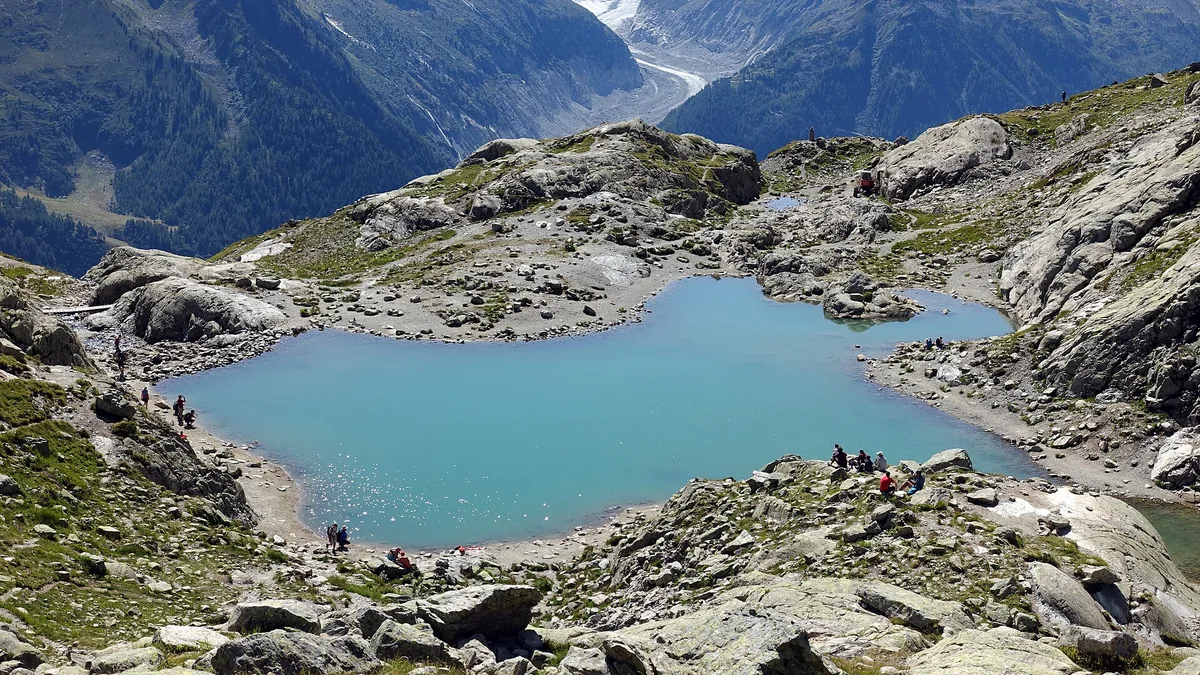
Chamonix sits at 1,035 metres below Mont Blanc, western Europe's highest peak at 4,808 metres, and has been the centre of alpine sport since the 18th century.
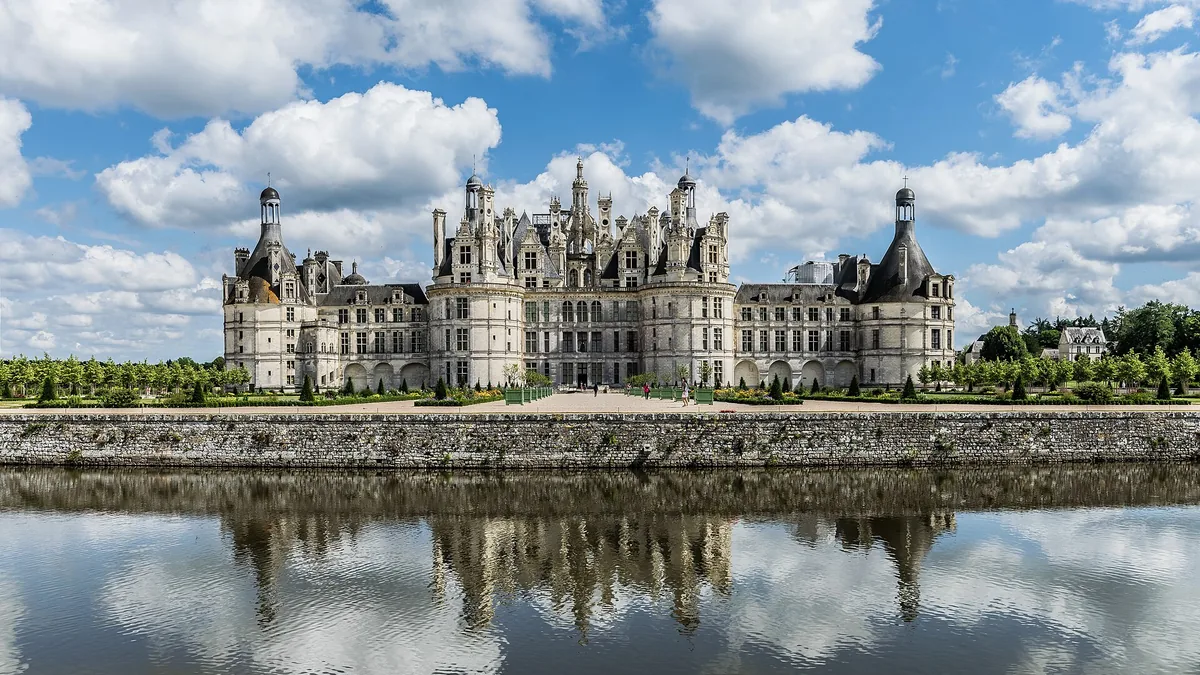 France
Loire Valley
The Loire is France's longest river, and its valley holds more than 300 chateaux, from medieval fortresses to Renaissance palaces built by the kings of France.
Italy
Rome
Not an open-air museum but a working capital built on top of, and out of, its own ruins: a city where the past is not preserved so much as still inhabited.
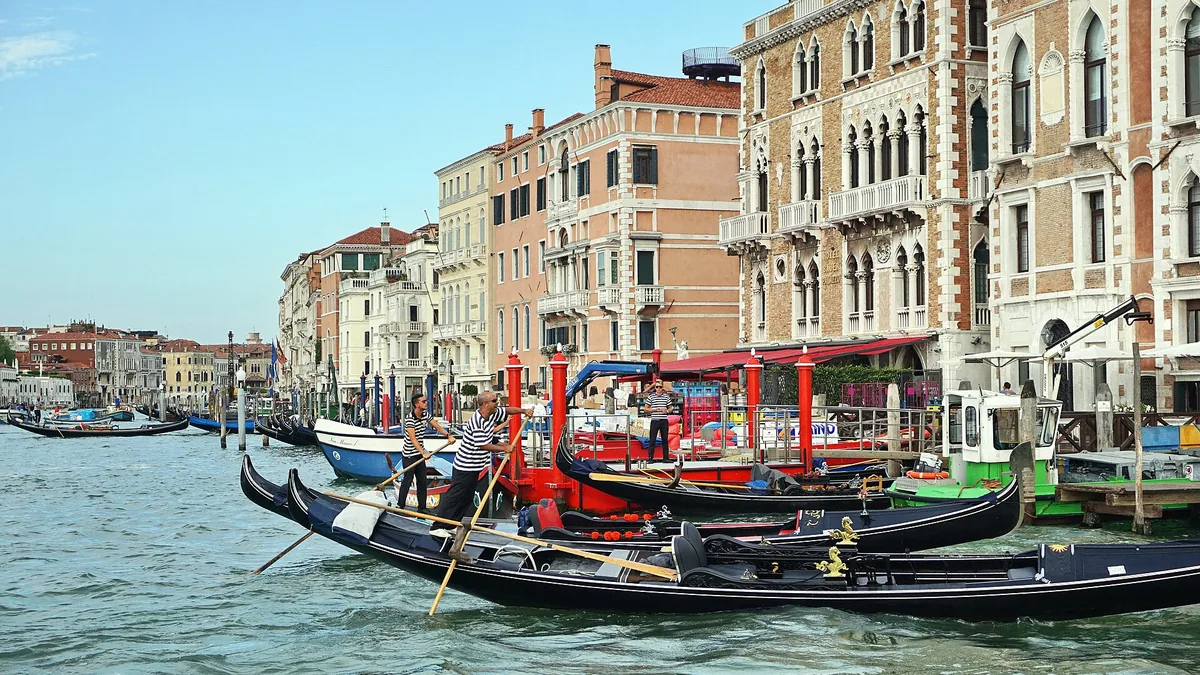 Italy
Venice
118 islands, 400 bridges and no cars: Venice is a city whose streets are canals, built on wooden piles driven into a lagoon over more than a thousand years.
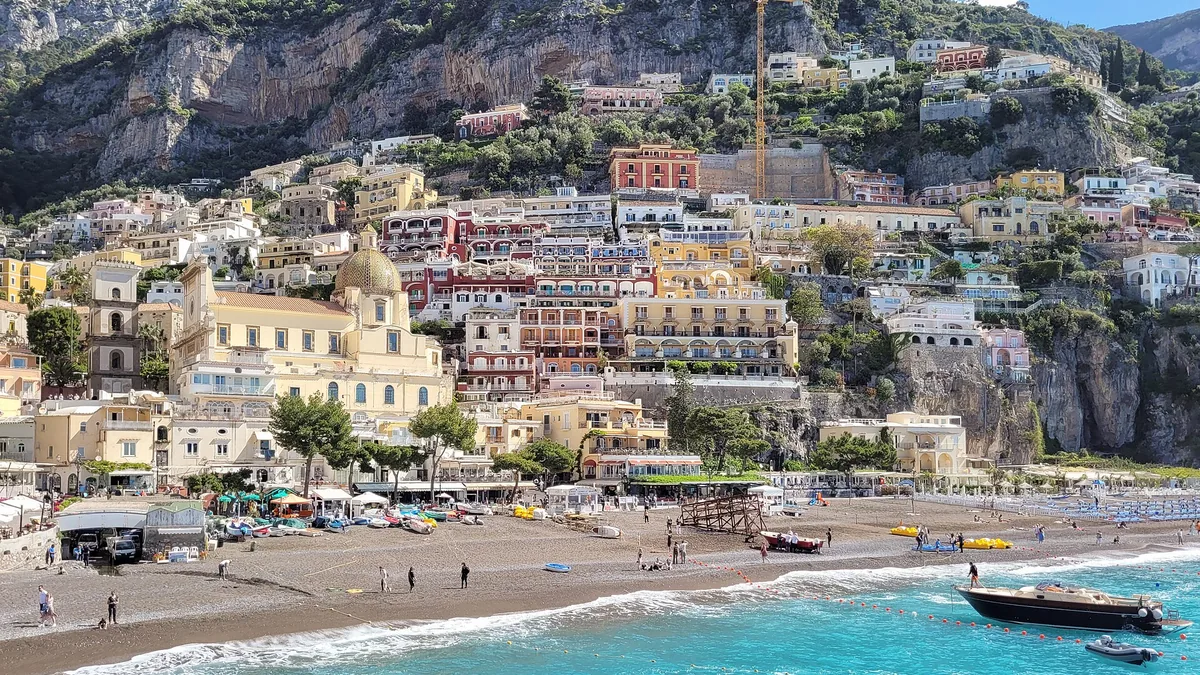 Italy
Amalfi Coast
Fifty kilometres of coastline south of Naples, where the Lattari mountains fall into the Tyrrhenian Sea and the towns are built into the vertical gaps between them.
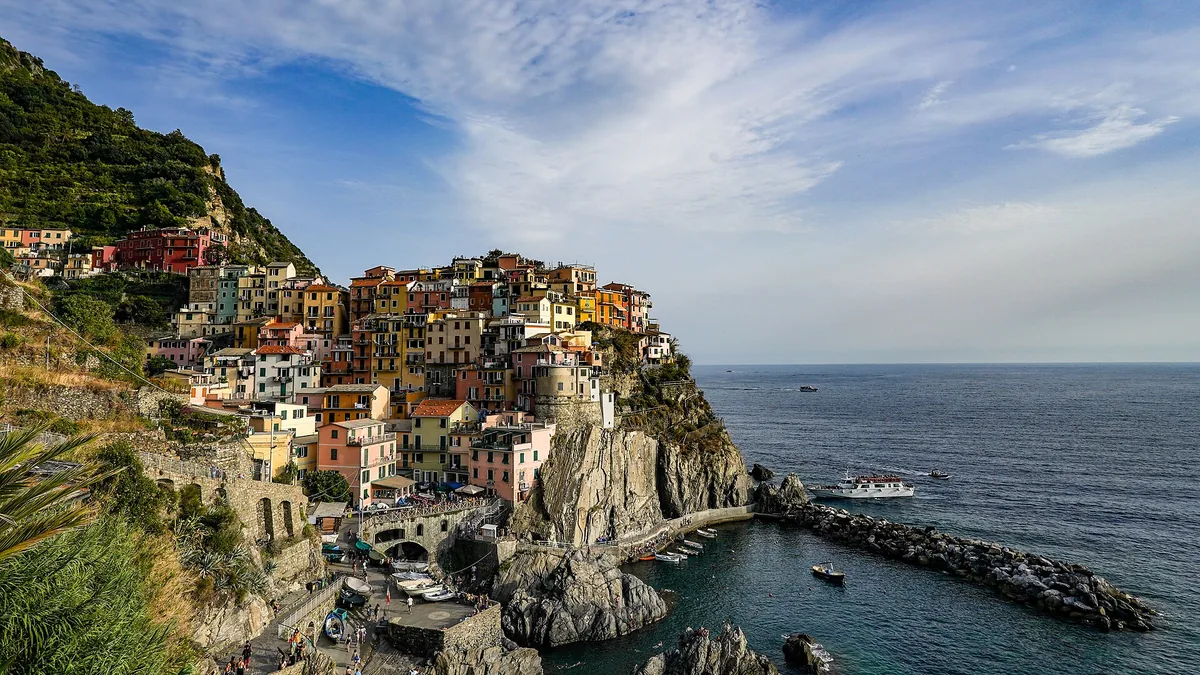 Italy
Cinque Terre
Five fishing villages built into the Ligurian cliffs: Monterosso, Vernazza, Corniglia, Manarola and Riomaggiore, linked by a coastal trail and a railway line cut through the rock.
 Italy
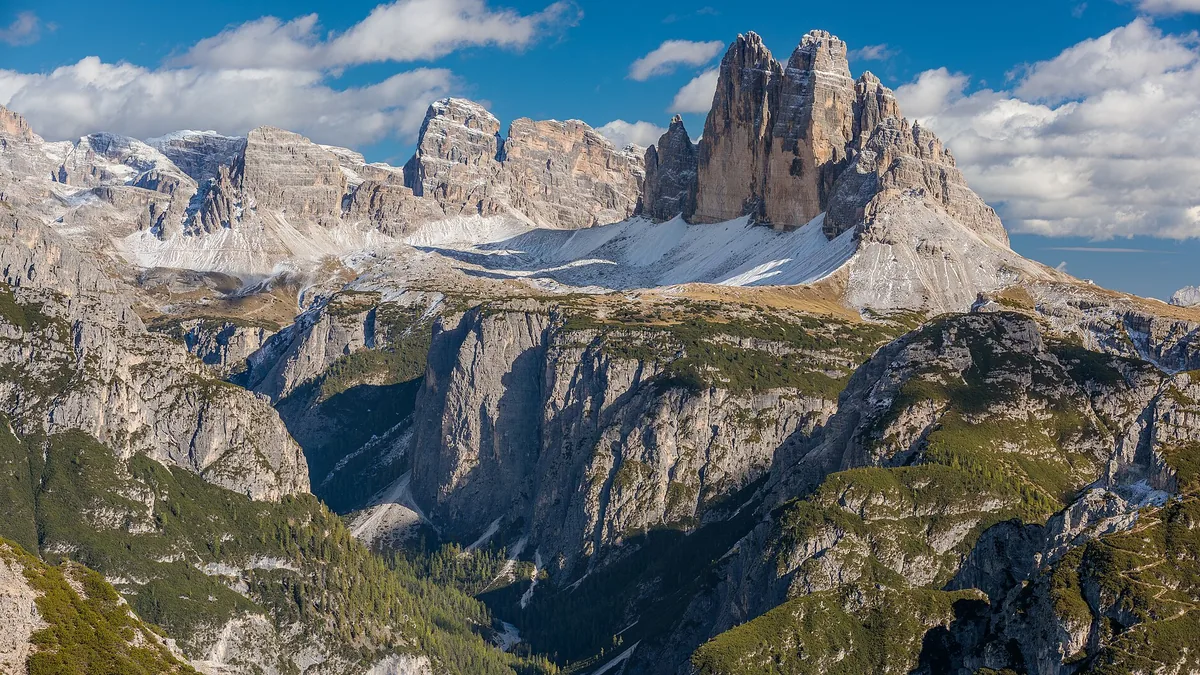
Dolomites
A range of pale limestone peaks in north-eastern Italy, part of the Alps but geologically distinct, with vertical walls, high plateaus and some of Europe's best mountain roads.
 Italy
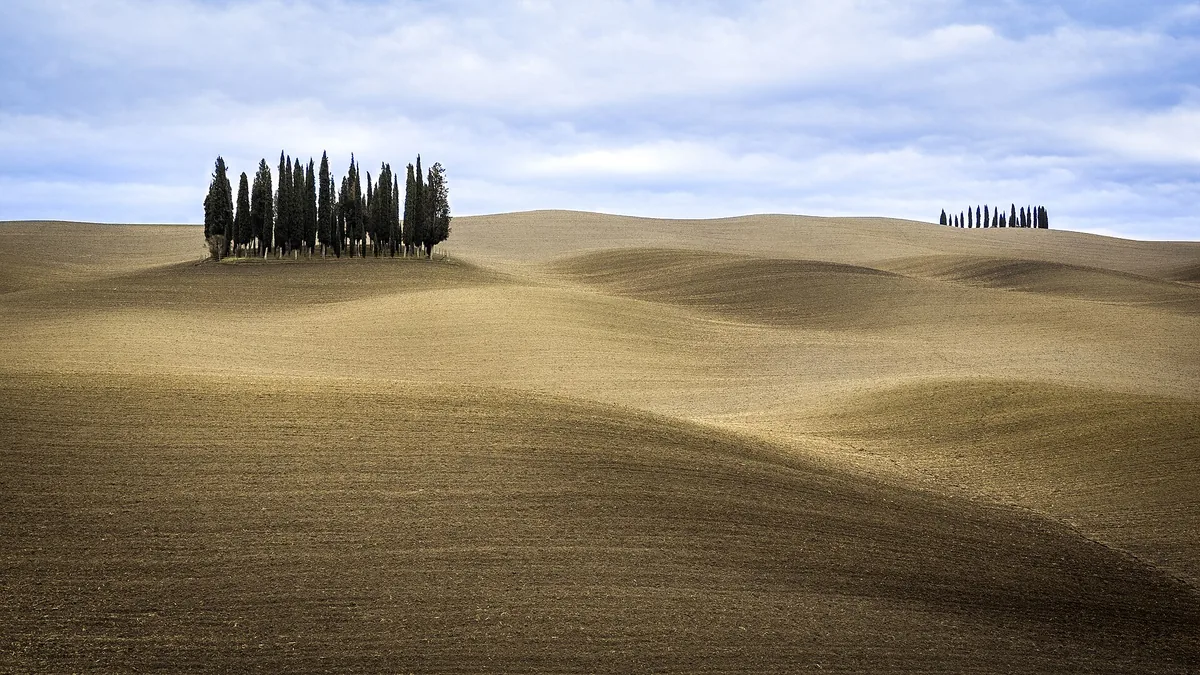
Tuscany
The rolling clay hills of the Val d'Orcia and the Chianti wine country, where the combination of farms, cypress-lined roads and hilltop villages has been essentially unchanged since the Renaissance.
Iceland
Blue Lagoon
The Blue Lagoon is a man-made geothermal spa in a lava field, filled with the mineral-rich water that comes up with the steam from the Svartsengi geothermal power plant.
 Iceland
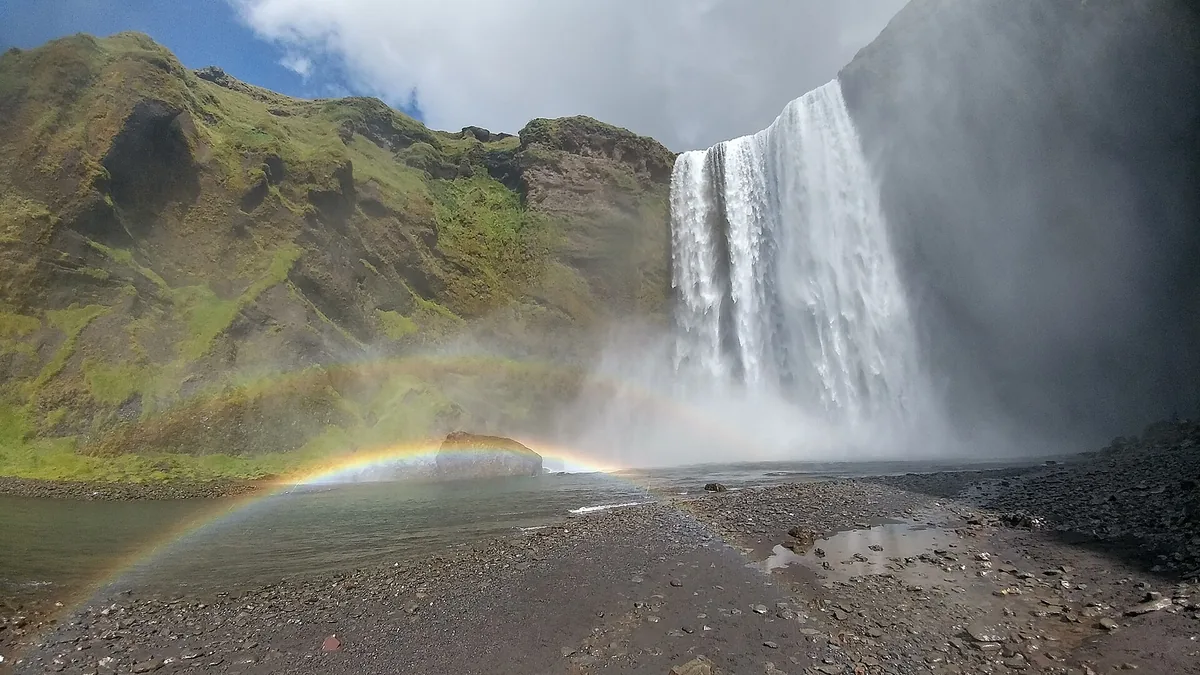
Skogafoss
One of Iceland's largest waterfalls, dropping 60 metres from the old sea cliffs that once marked the coastline, with a walkable trail to the top and a famous rainbow in the spray.
 Iceland
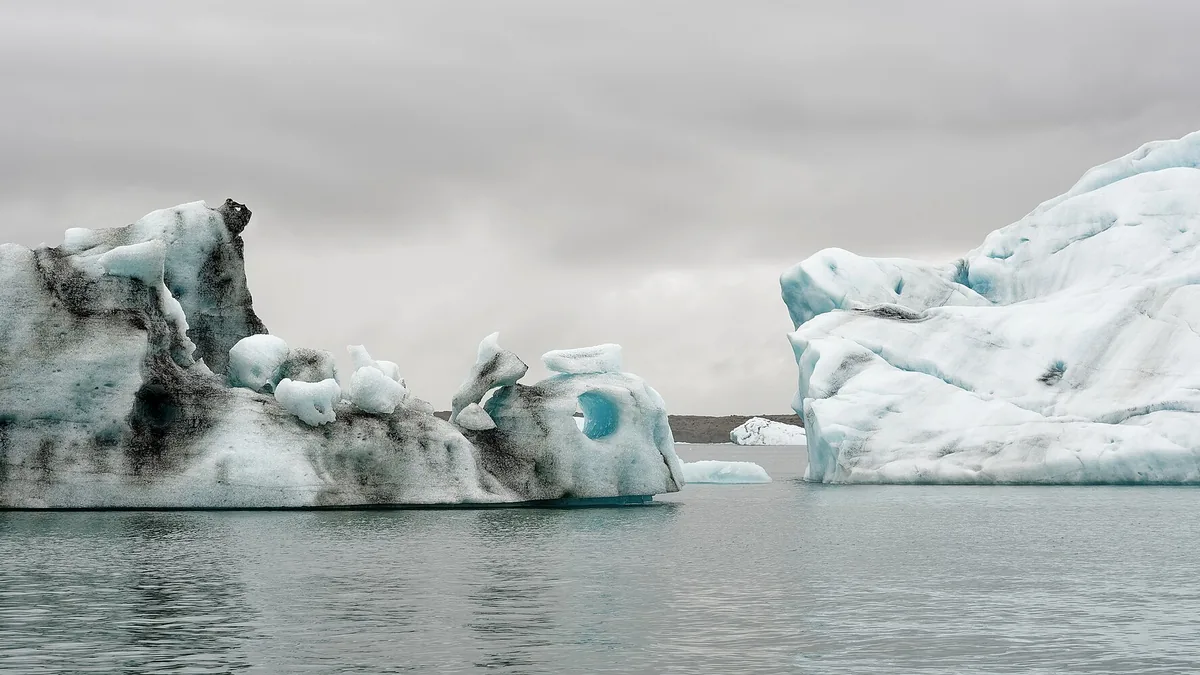
Jokulsarlon
A glacier lagoon at the edge of the Vatnajokull ice cap, where calved icebergs drift toward the sea and wash up, clear as glass, on Diamond Beach.
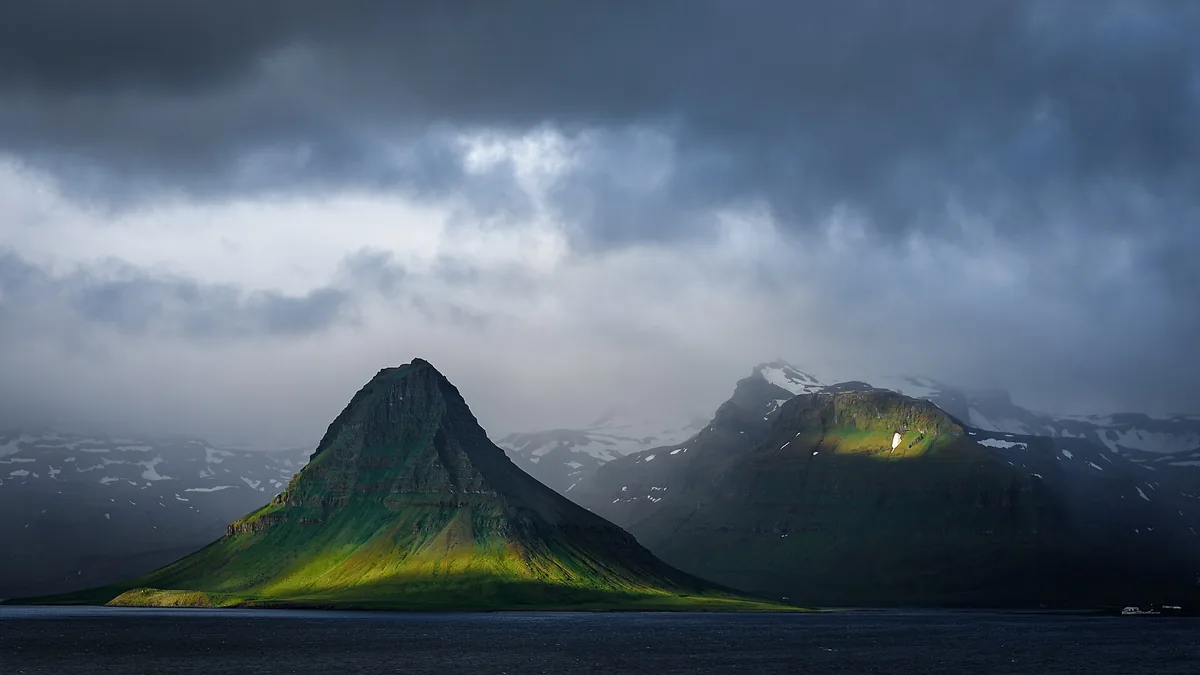 Iceland
Kirkjufell
The most photographed mountain in Iceland, a 463-metre cone on the north coast of the Snaefellsnes peninsula, with a waterfall and a fishing village at its feet.
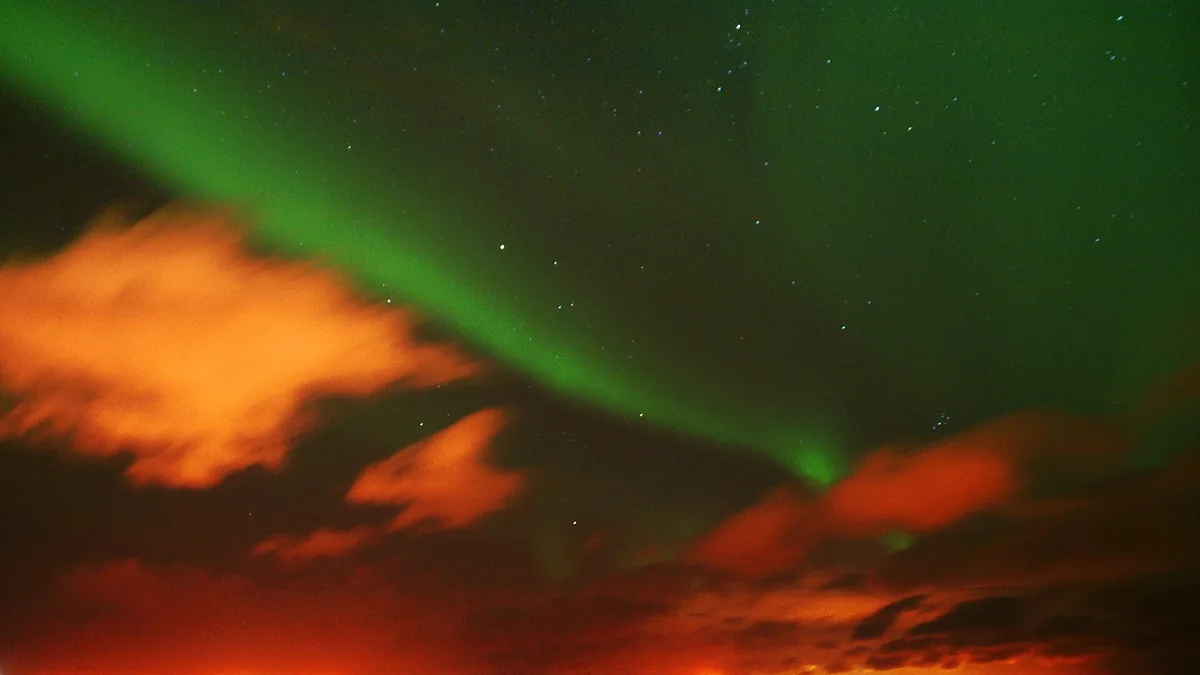 Iceland
Northern Lights
Iceland sits under the auroral oval, and between September and March the aurora borealis is visible on clear nights across most of the country.
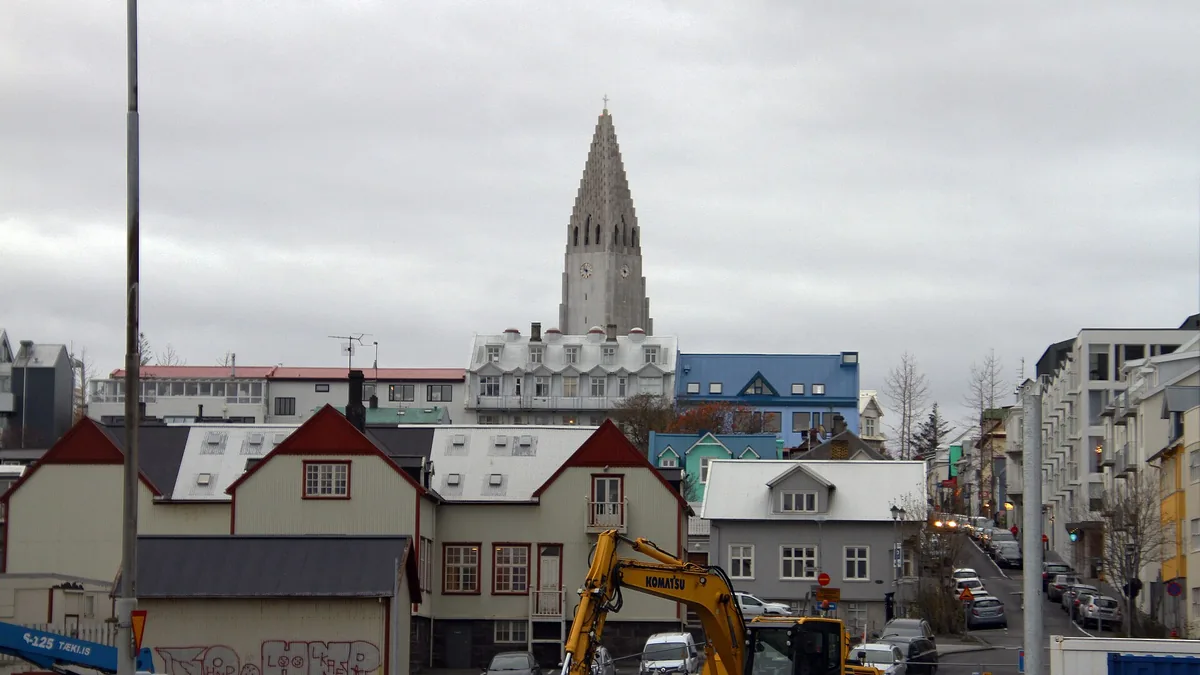 Iceland
Reykjavik
A small city of about 140,000 people, heated almost entirely by geothermal energy, with a compact centre, a dramatic waterfront and the sea on three sides.
New Zealand
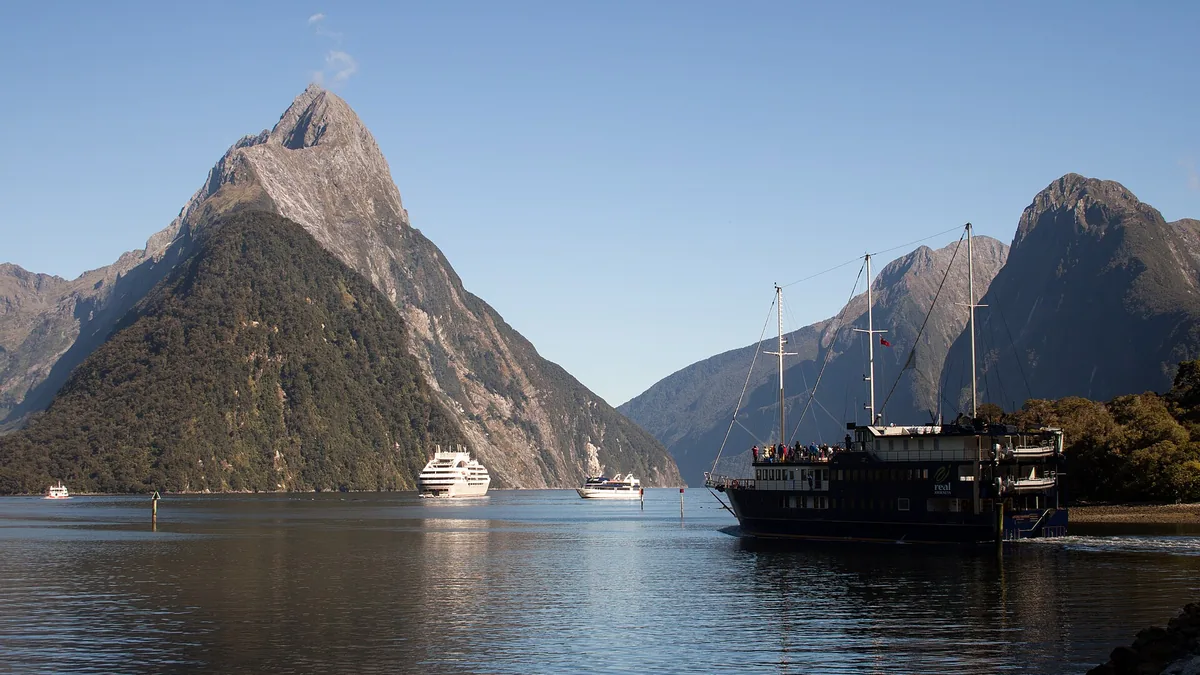
Milford Sound
Mitre Peak rises 1,692 metres straight out of the water at the head of Milford Sound, the most famous of the 14 fjords in Fiordland National Park.
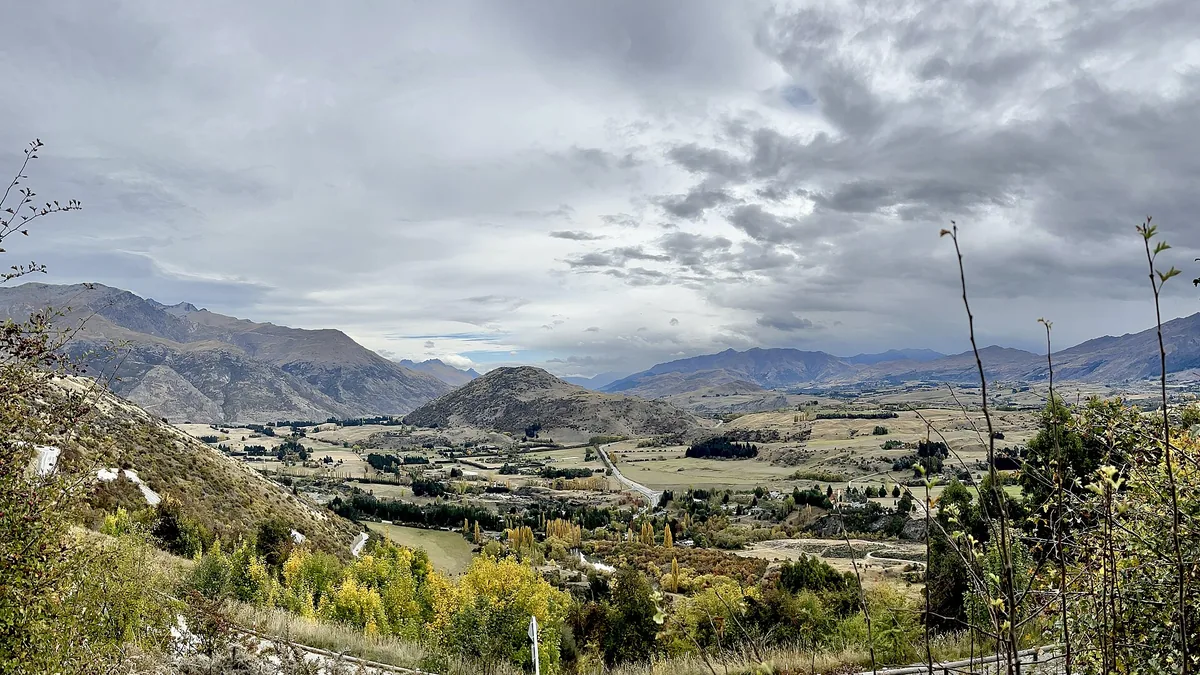 New Zealand
Queenstown
A resort town on the shore of Lake Wakatipu, surrounded by the Remarkables range, and the base for the bungy, jet boat and ski culture that made New Zealand's adventure industry.
 New Zealand
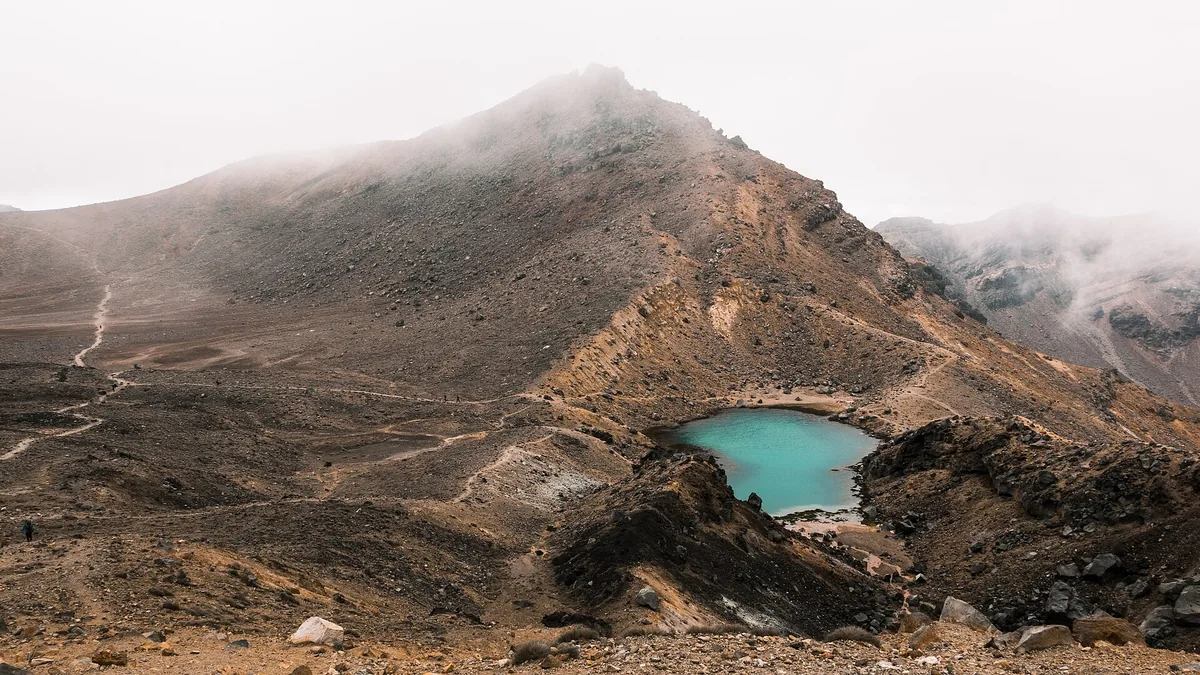
Tongariro Alpine Crossing
One of the world's great day hikes: a crossing of the volcanic plateau between Mount Ngauruhoe and Mount Tongariro, past emerald lakes and steam vents.
 New Zealand
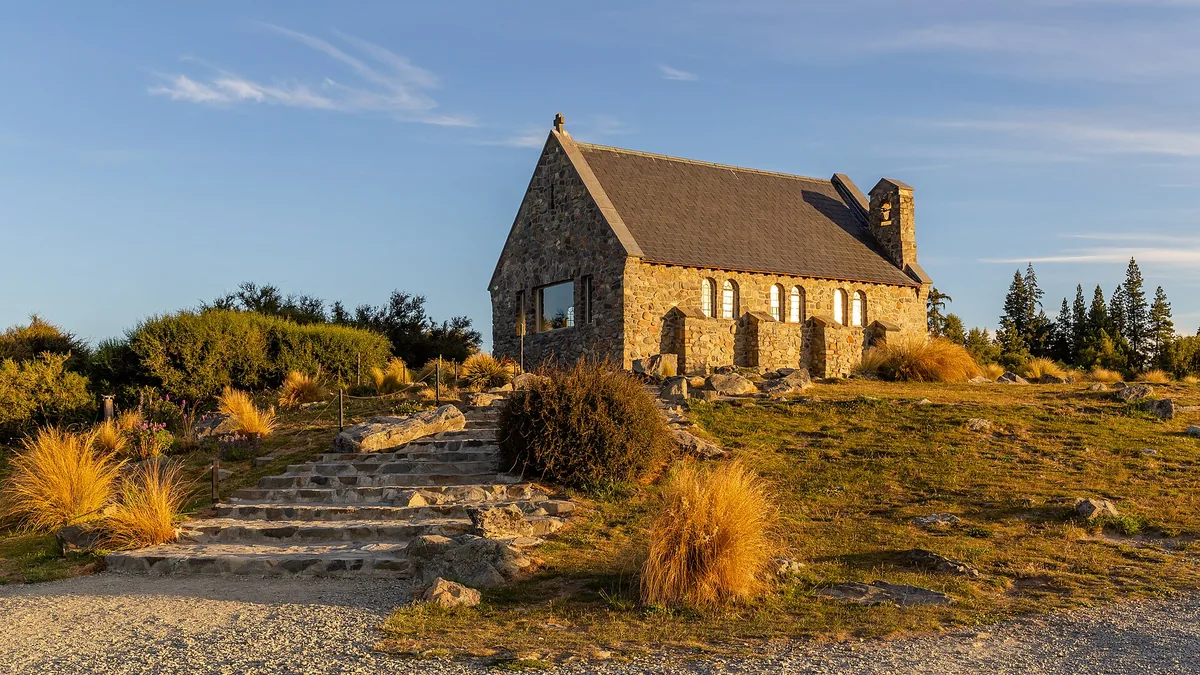
Lake Tekapo
Lake Tekapo gets its colour from suspended rock dust, ground by glaciers, and the surrounding basin is an International Dark Sky Reserve.
 New Zealand
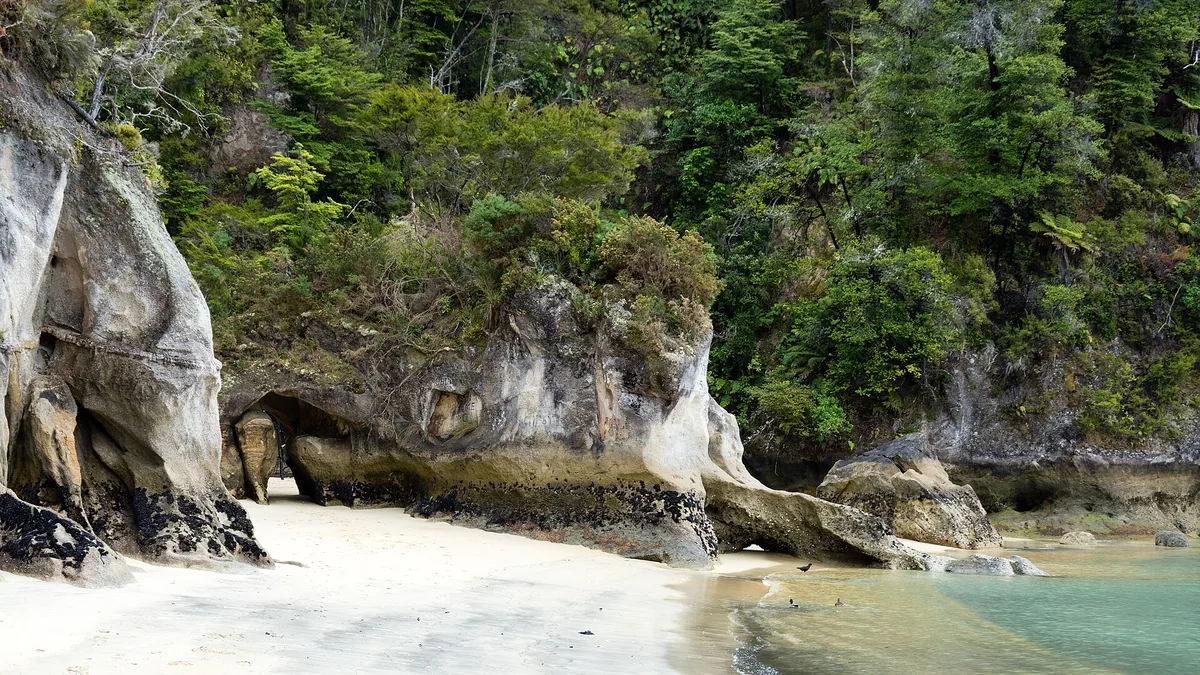
Abel Tasman
The smallest national park in New Zealand, with 70 kilometres of coastline of golden sand, clear water and forested headlands.
 New Zealand
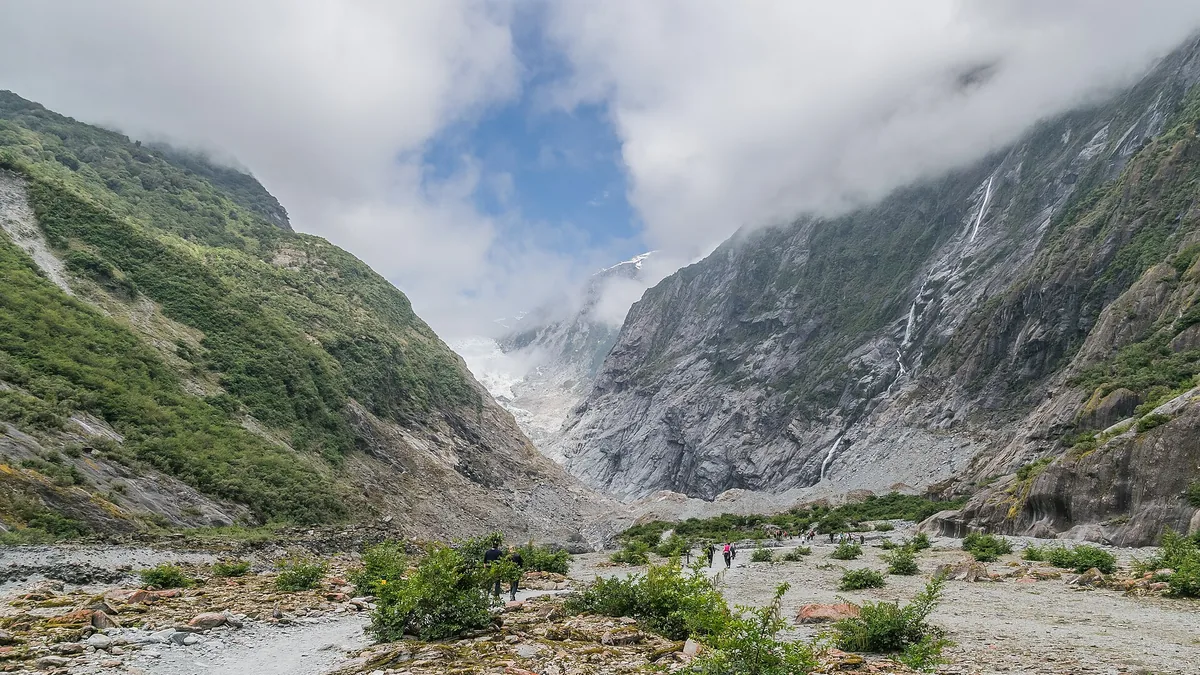
Franz Josef Glacier
One of the few glaciers in the world that reaches down into a rainforest, ending about 300 metres above sea level, on the wet west coast of the South Island.
Plan the trip around the light, not the map.
Every guide carries the season that makes the place worth the journey, the time it deserves, and a field note on what actually goes wrong. Start with a country, then drill into the landscape.