Capital Region
Reykjavik
The world's northernmost capital, warmed by geothermal water
Photo: Hyppolyte de Saint-Rambert · CC BY-SA 4.0
A small city of about 140,000 people, heated almost entirely by geothermal energy, with a compact centre, a dramatic waterfront and the sea on three sides.
A city run on steam
Reykjavik's buildings are heated by water pumped from geothermal fields, and the city's hot water is famous for its faint sulphur smell. The Hellisheidi power plant supplies the region, and the city's swimming culture is built on the same resource: the Laugardalslaug and Sundhollin pools are outdoor, geothermally heated, and open in all weather, which is where locals actually spend their evenings.
The cultural core
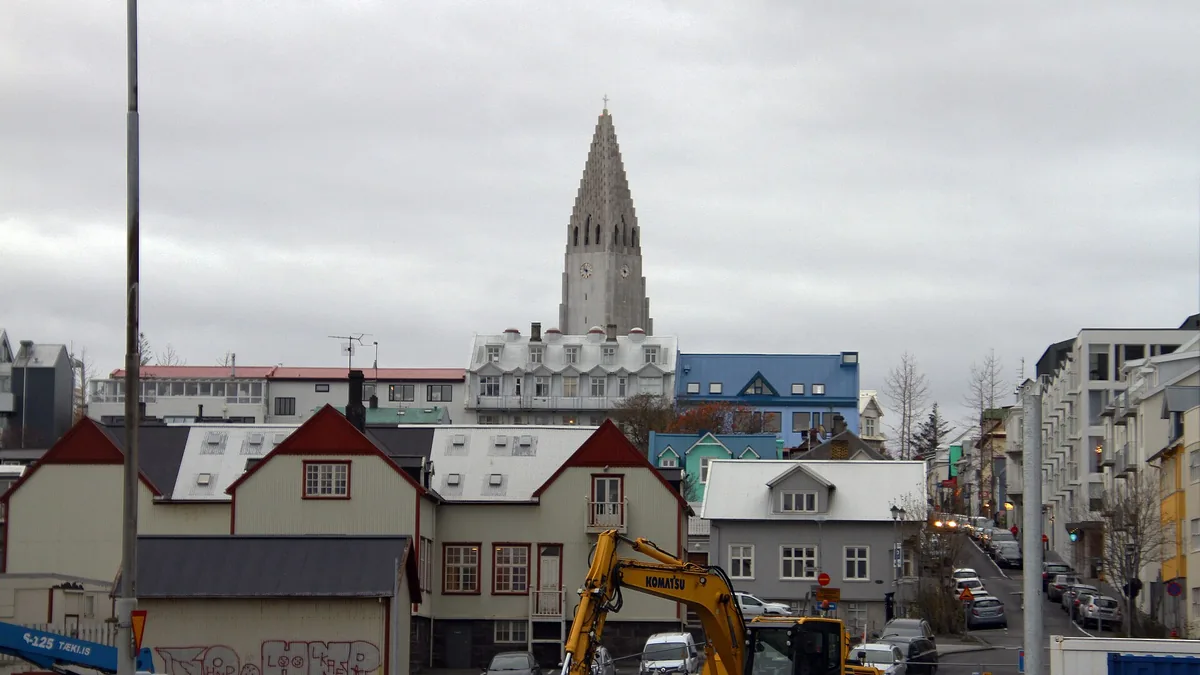
Hallgrimskirkja, the concrete church on the hill, is visible from everywhere and its tower gives the best view over the city and the bay. Harpa, the concert hall on the harbour, is the other landmark. The National Museum of Iceland covers the settlement and the sagas; the Einar Jonsson Sculpture Garden is a quiet, strange collection behind the church.
Food, music and the edge of the Arctic
Reykjavik has an outsized music scene and a small, expensive restaurant culture. The harbour's hot dog stand, Baejarins Beztu, is the famous cheap option; the seafood at the old harbour is the better one. In summer, the sun barely sets, and the city's bars stay full; in winter, the darkness is the point, and a northern lights tour from the city is a reasonable bet.
Three things not to miss
- The view from Hallgrimskirkja's tower
- An evening swim at Laugardalslaug
- The harbour and Harpa at sunset
In pictures
Every photo in this guide is freely licensed, credited, and available at full resolution from Wikimedia Commons.
Nearby in the atlas