Italy
Millennia of cities stacked above coastlines of impossible colour
Why Italy
Italy is an argument between geology and civilisation, and the argument is beautiful: Roman stone beside blue water, vineyards planted on volcanic hills, and light that has been painted for six hundred years.
Italy
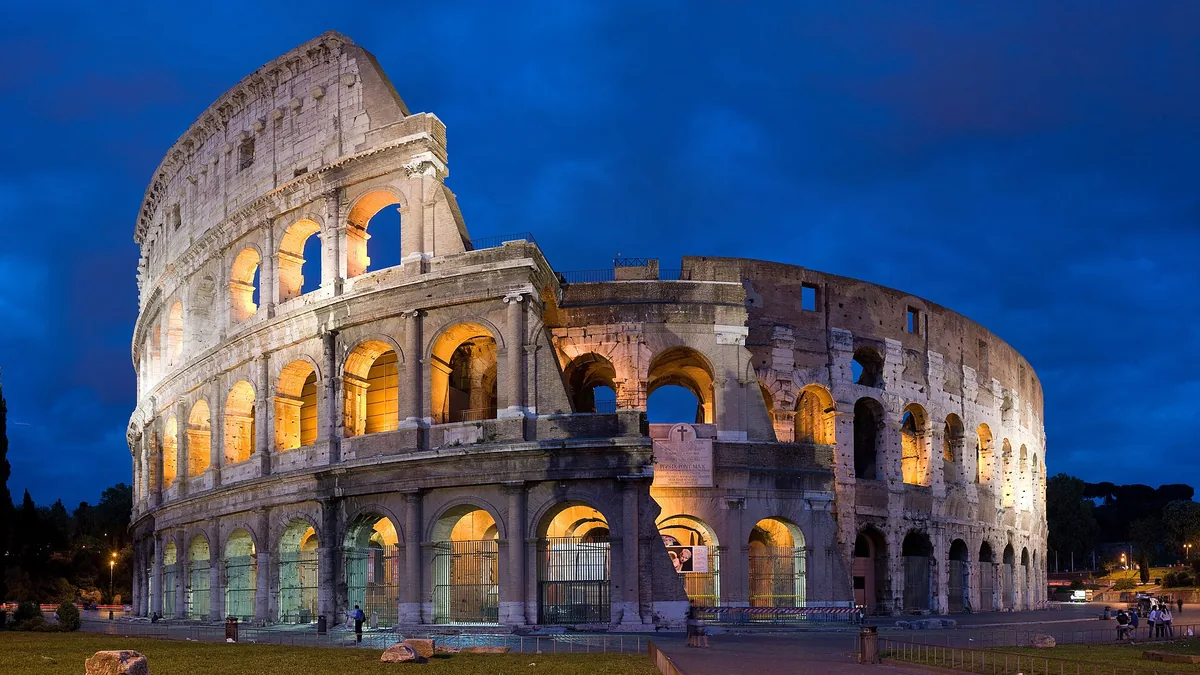
Rome
Not an open-air museum but a working capital built on top of, and out of, its own ruins: a city where the past is not preserved so much as still inhabited.
 Italy
Venice
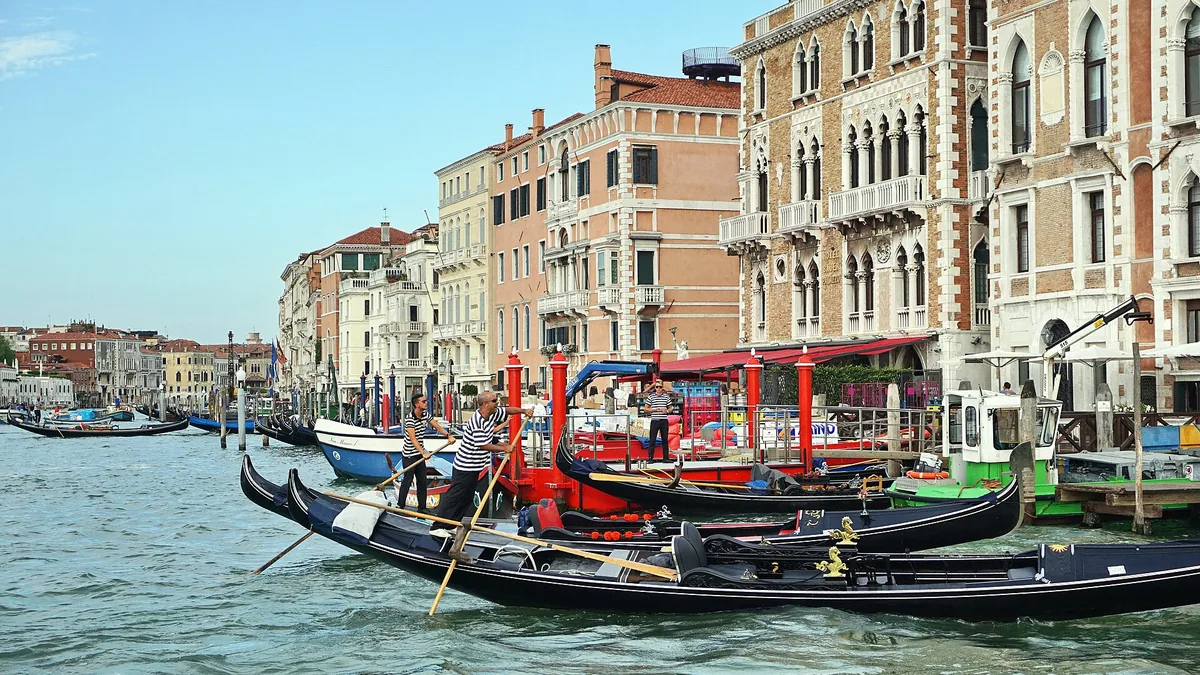
118 islands, 400 bridges and no cars: Venice is a city whose streets are canals, built on wooden piles driven into a lagoon over more than a thousand years.
 Italy
Amalfi Coast
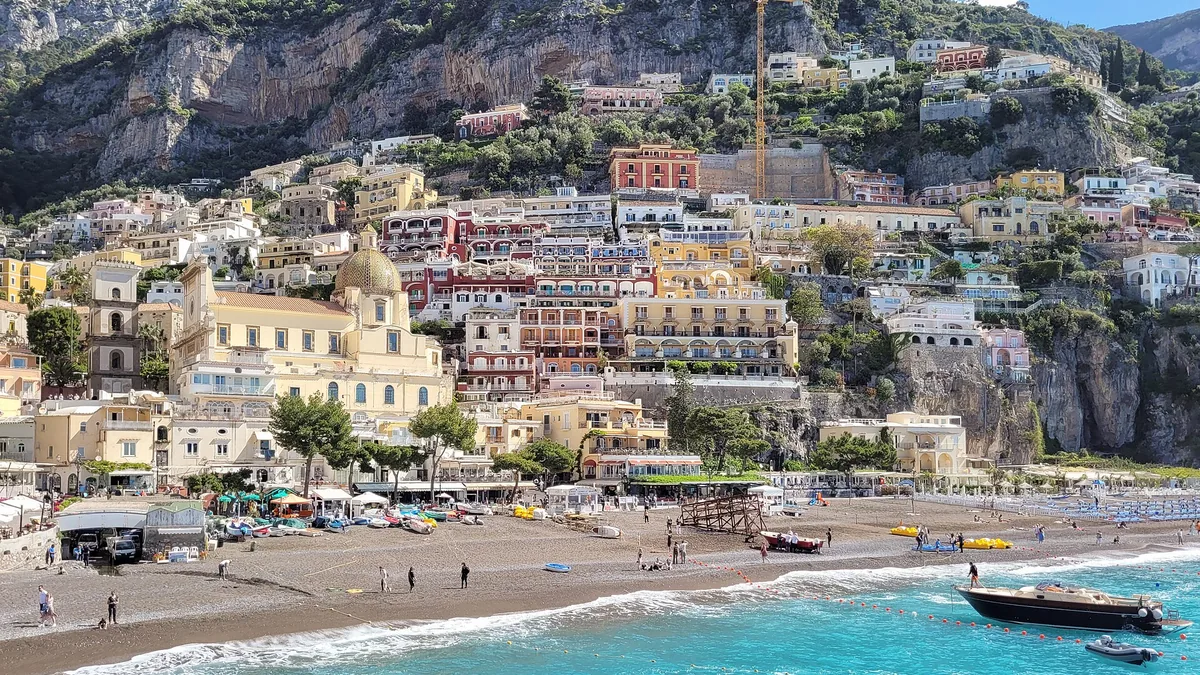
Fifty kilometres of coastline south of Naples, where the Lattari mountains fall into the Tyrrhenian Sea and the towns are built into the vertical gaps between them.
 Italy
Cinque Terre
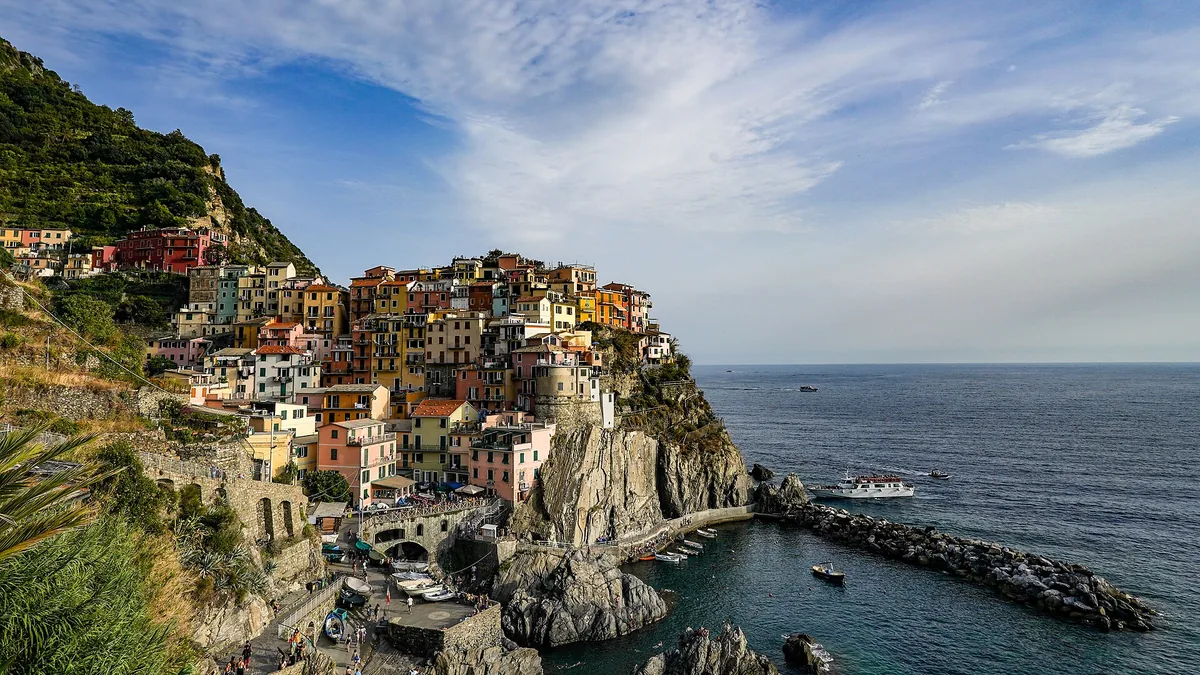
Five fishing villages built into the Ligurian cliffs: Monterosso, Vernazza, Corniglia, Manarola and Riomaggiore, linked by a coastal trail and a railway line cut through the rock.
 Italy
Dolomites
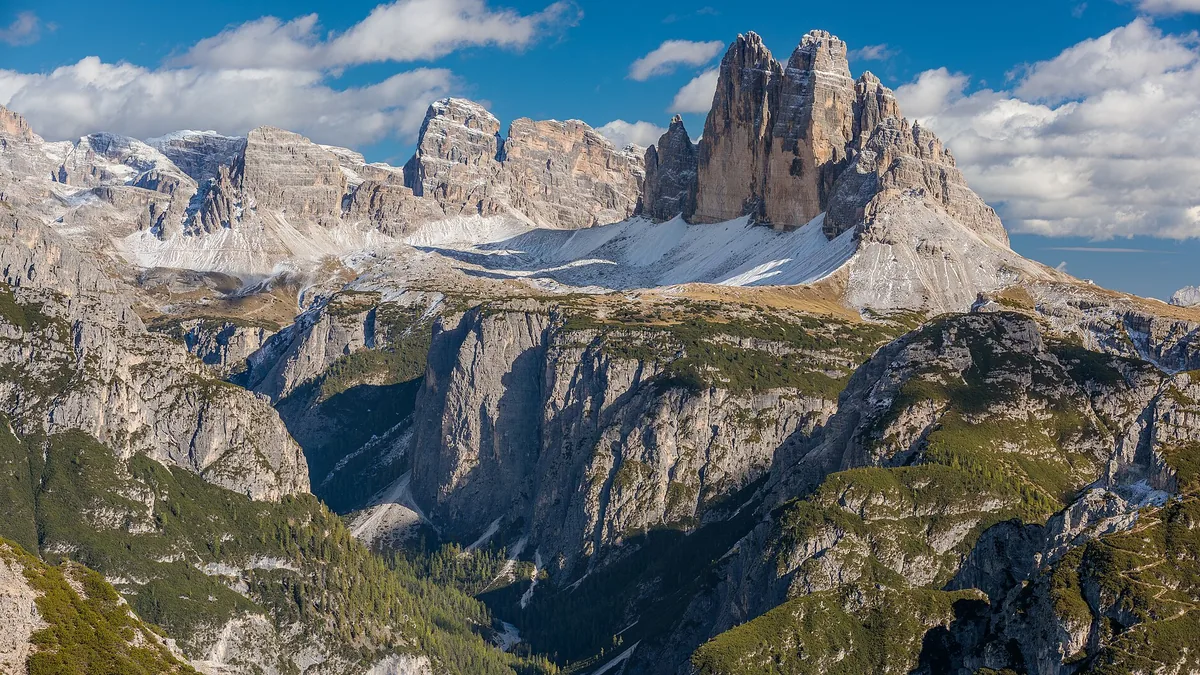
A range of pale limestone peaks in north-eastern Italy, part of the Alps but geologically distinct, with vertical walls, high plateaus and some of Europe's best mountain roads.
 Italy
Tuscany
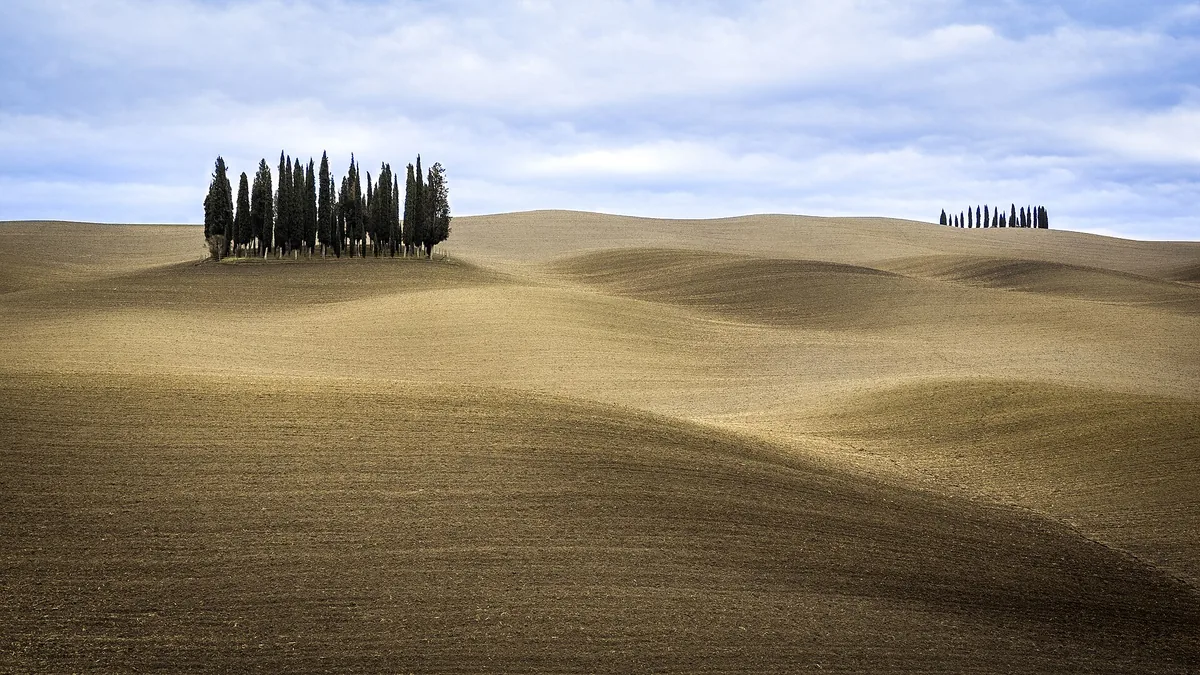
The rolling clay hills of the Val d'Orcia and the Chianti wine country, where the combination of farms, cypress-lined roads and hilltop villages has been essentially unchanged since the Renaissance.