Veneto
Venice
A city built on water, and slowly sinking into it
Photo: Armin Kleiner · CC BY-SA 4.0
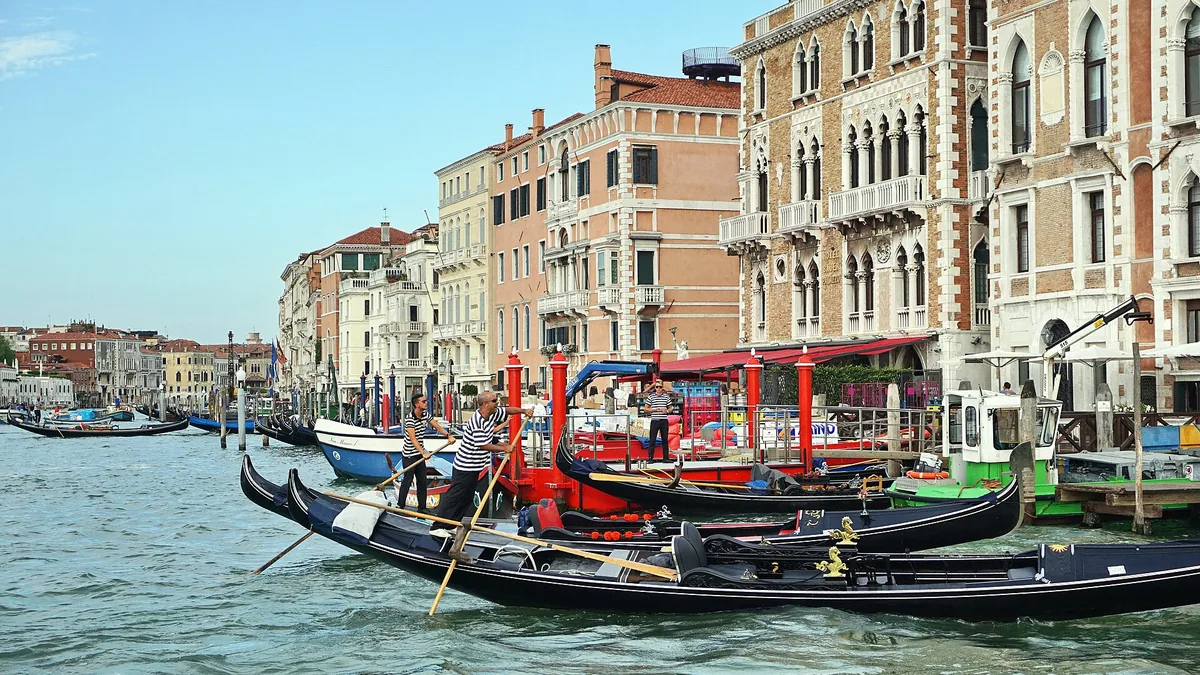
118 islands, 400 bridges and no cars: Venice is a city whose streets are canals, built on wooden piles driven into a lagoon over more than a thousand years.
Building a city on water
Venice's foundations are wooden piles, mostly oak and larch, driven into the lagoon bed and topped with Istrian stone platforms. The wood, deprived of oxygen by the water, does not rot, and it has supported the buildings for centuries. The city's subsidence and the rising sea level mean the acqua alta high-water events now reach the Piazza San Marco more often, which is why the MOSE barrier system at the lagoon inlets was completed in 2022.
Where the city is actually lived in
Most visitors see the Rialto and San Marco and then leave. The quieter half is Castello and Cannaregio: the Ghetto, the first Jewish quarter in Europe; the church of Santa Maria dei Miracoli; the bars of the Fondamenta della Misericordia. The Biennale in Giardini and the Arsenale is the main contemporary art event, held in odd years, and a completely different Venice.
Getting around, and the tourist tax
Vaporetto lines 1 and 2 run the Grand Canal; the traghetto gondola ferries cross it for a couple of euros. Day visitors now pay an access fee on selected peak days, booked online in advance. The city asks visitors to avoid sitting on bridges, to keep to the right on narrow streets and not to buy from the illegal vendors who sell roses in San Marco.
Three things not to miss
- The Grand Canal at dawn from the Rialto bridge
- The Ghetto and the quiet fondamente of Cannaregio
- A vaporetto ride the length of the Grand Canal at night
In pictures
Every photo in this guide is freely licensed, credited, and available at full resolution from Wikimedia Commons.
Nearby in the atlas