California
Yosemite
Granite walls, waterfalls and the valley that made climbing modern
Photo: Sergiy Galyonkin · CC BY-SA 2.0
Seven square miles of valley floor surrounded by walls so sheer that the first climbers had to invent new ways to get up them.
A glacier's sculpture garden
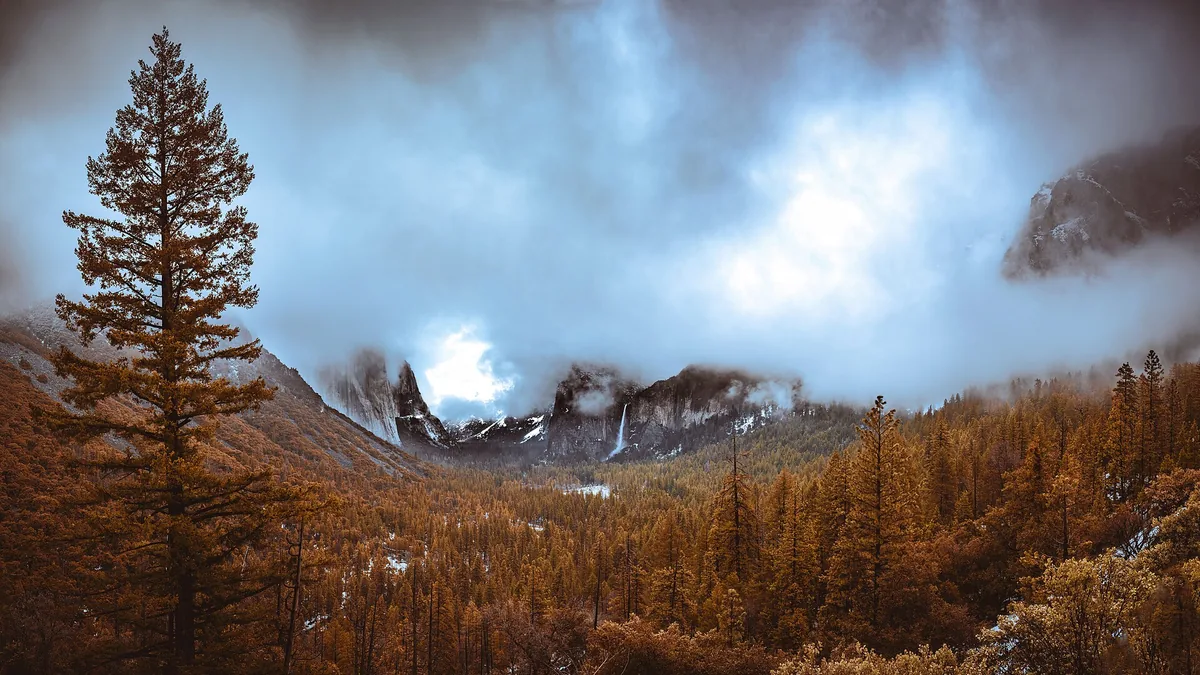
Yosemite Valley is a U-shaped trough carved by glaciers that retreated about 10,000 years ago. The exposed granite of El Capitan (900 m straight up) and Half Dome (2,694 m) is the result of ice and exfoliation working on a single plutonic rock mass. Waterfalls are seasonal and dramatic: Yosemite Falls is the tallest in North America at 739 m, and it runs hardest in May and June.
The valley is famous, the high country is empty
Most of the park's 3,000 square kilometres sit above 2,000 metres, on a granite plateau of lakes, passes and quiet trail. Tuolumne Meadows, open roughly June to October, is the gateway: 15 minutes of walking from the road gets you away from most of the traffic that never leaves the valley.
Climbing, hiking and the reservation problem
Yosemite is the birthplace of American big-wall climbing and still the world's most important granite arena. For everyone else, the practical question is access: day-use reservations are required during peak periods, and the Valley fills its parking by 8 am. Stay inside the park or use the YARTS bus from outside; a dawn arrival from Mariposa is the difference between a good trip and a great one.
Three things not to miss
- El Capitan at golden hour from El Cap Meadow
- Tunnel View, the classic arrival frame, at sunrise
- Wildflower season in Tuolumne Meadows, July
In pictures
Every photo in this guide is freely licensed, credited, and available at full resolution from Wikimedia Commons.
Nearby in the atlas