Provence-Alpes-Cote d'Azur
French Riviera
A coastline of limestone, yachts and a very particular blue
Photo: Zairon · CC BY-SA 4.0
From Marseille to Menton, the Cote d'Azur is a 200-kilometre stretch of limestone cliffs, sheltered bays and towns built into the hillside.
The light was the attraction first
The Riviera became a destination in the 18th century because of its winter sun, and it became a subject in the late 19th century because of its light. The dry air and the angle of the sun on limestone produced the conditions that drew Monet, Renoir, Matisse, Cezanne and Picasso. The colours they painted are still visible, and the museums that hold the work are part of the landscape.
The three rivers of the Riviera
The coastline divides naturally. Around Nice the rocks are white limestone and the sea is grey-blue; around the Esterel massif the cliffs are red porphyry and the coves are sandy; past Cannes, towards Antibes, the coast becomes softer and greener. The Calanques near Marseille, a series of narrow limestone inlets, are a separate landscape altogether and are best seen by boat or on the calanques trail.
Town logic
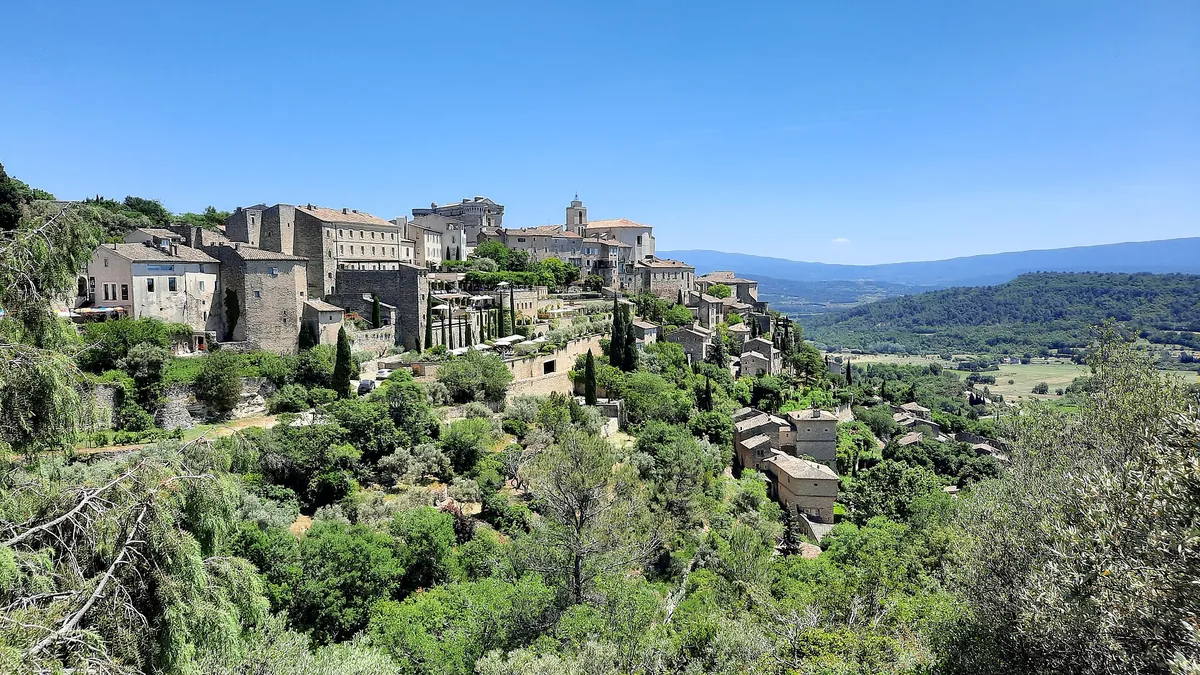
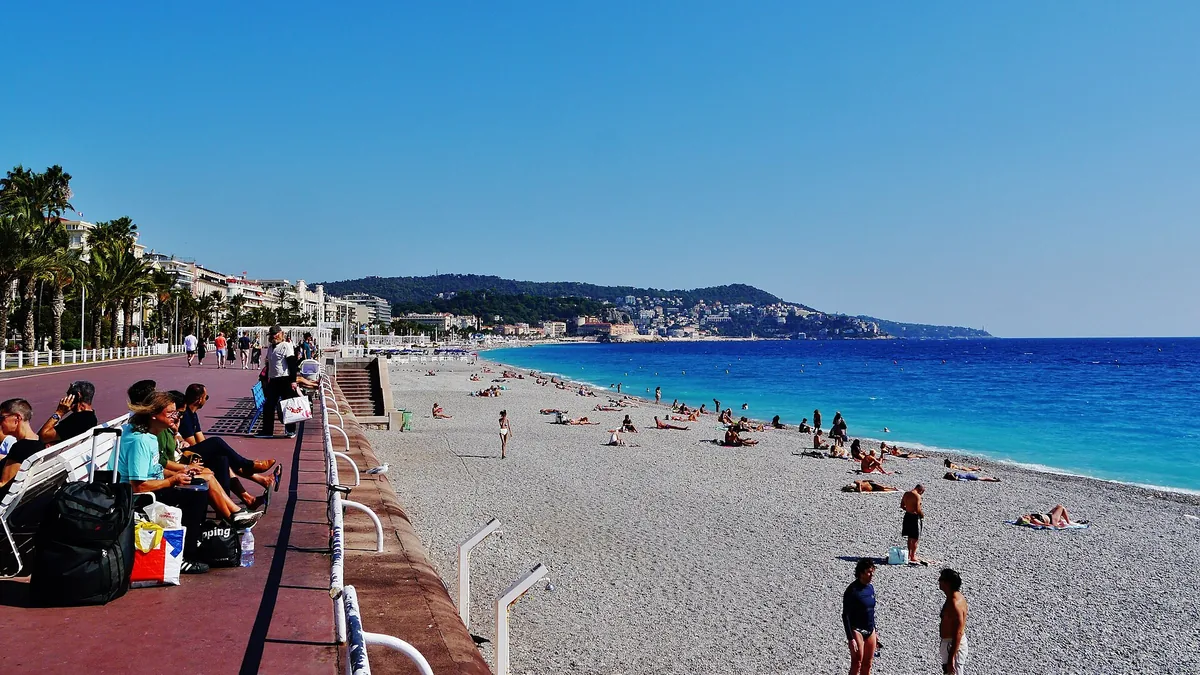
Nice is the base: a city with a working old town, a long pebble beach and the best transport links. Antibes and Menton are smaller and easier on foot. Saint-Tropez and Cannes are about people-watching rather than scenery. Inland, the hill villages of Eze, Gourdon and Saint-Paul-de-Vence give the view without the crowds.
Three things not to miss
- The view over the Esterel from the corniche road
- A boat trip into the Calanques near Marseille
- The old town and beach at Nice in the early morning
In pictures
Every photo in this guide is freely licensed, credited, and available at full resolution from Wikimedia Commons.
Nearby in the atlas